
How Fast Food Affect Culture in the Modern World
People are always on the go today. This often means that fast food restaurants supply at least some of the meals for the average person. It is inexpensive and already prepared. How does fast food affect culture is something most people do not give much thought. However, they do and it is becoming a global issue.
Before fast food restaurants, people had to prepare their own meals or go to an expensive restaurant. This meant that only people with excess amounts of money could afford to eat out. Once McDonald’s began serving fast food, even poorer people could have the experience of eating out. Soon, other entrepreneurs were attempting to duplicate their success. Today, most fast food chains offer a dollar menu or other list of inexpensive items.
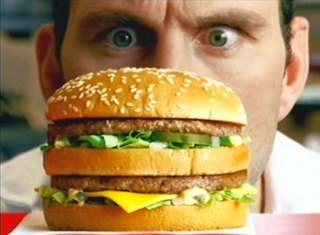 How fast food affect culture for patrons is that they no longer have to be involved with their food preparation. So, people lose the opportunity to spend time with their family in the kitchen and to hand down family recipes. It also means that people expect whatever they want quickly.
The ingredients in fast food are another concern. How fast food affect culture here is that people do not know or think about what is in the food they eat. When people prepare their own meals, they consciously choose each ingredient and are more involved in ensuring that their family is eating a balanced diet. Fast food contains high levels of sugar, salt, fat, and preservatives. It is a great contributor to the obesity levels in America. As fast food chains expand to the global market, other countries are beginning to have similar problems.
Unfortunately, poor health and a hurried lifestyle are by-products of the patrons of fast food restaurants. Until the chains make a choice to serve healthier selections, these problems are likely to grow.

 So, how can food define a culture?

 Food during Renaissance

 Each nation has its own unique food habits. A food culture can be traced following the recipes and eating habits and trends of different communities. The same goes with America as well, but as the Red Indian being Americas natives and with their downfall, somewhere the diversity in food has become far too vast. When these people from different places settled down in America, the native people were least willing to disregard their own food habit. This resulted in a food culture which is not only unique but an amalgamated whole which duly answers the questions that does America have a food culture to boast about.