Category: Australian

  • Cost of an Australian Holiday: What to Expect

    Cost of an Australian Holiday: What to Expect

    Planning a trip to Australia can be thrilling but also pricey. Many travelers get surprised by the high costs. They often don’t realize how much money they’ll need due to the strong Australian dollar and high prices for living expenses.

    The author spent about $100 USD a day on a 33-day trip, totaling $3,400 USD. This would have been much more without discounts and staying with friends. Australia is indeed pricey, so planning and budgeting well are key to a fun and affordable trip.

    Key Takeaways

    • Australia is considered an expensive travel destination, with high prices for accommodation, food, transportation, and activities.
    • Travelers often underestimate the costs of an Australian trip, leading to budget challenges.
    • Proper planning and budgeting are crucial to have a financially manageable and enjoyable holiday in Australia.
    • Costs can vary significantly depending on your travel style, with budget travelers spending less than $500 per week and luxury travelers spending up to $3,000.
    • Utilizing money-saving tips, such as cooking meals and limiting alcohol consumption, can help reduce expenses during an Australian vacation.

    Introduction: Why Australia is Expensive

    Many people, even Australians, feel surprised by the high prices in Australia. Visitors often find the costs steep due to the strong Australian dollar and high living costs. The author’s first trip to Australia was twice as expensive as expected because he didn’t plan well.

    Sticker Shock for Travelers

    Australia’s cost of living is quite high, which can shock visitors. The average daily cost for a vacation in Australia is about $166 (AU$250). This includes expenses for accommodation, food, transport, and activities. Staying within budget can be tough, leading to sticker shock when you arrive.

    Underestimating the Cost

    Many travelers underestimate the costs of a trip to Australia, quickly running out of money. The author’s 33-day trip cost him $3,400 USD, or around $100 USD a day. But staying with friends and getting discounts helped him spend less, about $150 USD a day or more. Planning and budgeting well are key to avoiding high costs in Australia.

    Expense Category Average Daily Cost (AU$) Average Daily Cost (US$)
    Accommodation AU$215 $144
    Local Transportation AU$46 $31
    Meals AU$53 $35
    Entertainment AU$47 $31
    Alcohol AU$11 – AU$33 $7 – $22
    Tips and Handouts AU$106 – AU$318 $71 – $212

    Typical Costs in Australia

    Traveling to Australia can be pricey, but knowing the costs can help you plan your budget. You’ll need to think about accommodation, dining, transportation, and activities. Let’s look at what you might spend during your trip.

    Accommodation Costs

    Accommodation prices in Australia vary a lot, based on where you stay and the type of place. Hostels are usually the cheapest, with dorm beds costing $25 to $70 AUD per night in cities like Sydney and Melbourne. For a private room in a hostel, you might pay $80 to $150 AUD per night.

    Hotels start around $150 AUD per night for a basic room. Prices can go over $300 AUD for luxury places.

    Food and Drink Expenses

    Eating out in Australia can be expensive. A meal at a mid-range restaurant costs about $20 to $35 AUD per person. Fast food is cheaper, at $10 to $15 AUD for a meal.

    Drinks are pricey too. A beer in a pub is $5 to $9 AUD, and cocktails are $15 to $25 AUD. To save, cook your own food or try local markets and food trucks.

    Tour and Activity Prices

    Australia has many amazing places to see, but they’re not cheap. Tours can be $400 to $750 AUD for a few days. Day trips are $60 to $450 AUD.

    Popular spots like the Sydney Opera House, the Great Barrier Reef, and Uluru (Ayers Rock) cost $42 to $180 AUD per person.

    Transportation Costs

    Getting around Australia can be affordable if you plan. Greyhound bus passes are a good deal. A 15-day pass is $349 AUD, a 30-day pass is $439 AUD, and a 60-day pass is $499 AUD.

    Local transport costs about $2 to $4 AUD per single fare on buses, trains, and ferries.

    Knowing these costs helps you plan your budget for an unforgettable Australian holiday.
    accommodation expenses in Australia

    How much does a holiday to Australia cost?

    Planning a trip to Australia is thrilling but might be pricey. The cost of a 7-day trip can vary a lot based on how you travel and your budget. On average, it can cost from $1,630 USD per person for a budget trip to over $4,679 USD for a luxury trip.

    If you’re watching your spending, aim to spend about 70-80 AUD (around $50-$55 USD) each day. This means staying in hostels, cooking your meals, and choosing free activities. But, if you want to go on adventures, drink more, or travel a lot, add another 20 AUD (around $14 USD) per day.

    For a mid-range or luxury trip, costs can add up fast. A 7-night holiday in Sydney, including flights, a 3-4 star hotel, and basic sightseeing, costs about $1,458 USD per person. If you choose 5-star hotels, fine dining, and private tours, a 7-day trip could be over $4,600 USD per person.

    It’s key to research and plan your budget for an Australian holiday. Knowing the typical costs helps you prepare for a memorable trip without overspending.

    Budgeting for a Backpacker Trip

    For those on a tight budget, backpacking in Australia can be a great way to travel. With some smart choices, you can make your money go further. Here are some top tips for saving money as a backpacker in Australia.

    Hostel Dorm Accommodation

    Choosing to stay in hostel dorms is a great way to save money. Dorm beds usually cost between $25 and $35 per night. Prices can change based on the season and location. In cities like Sydney or Melbourne, expect to pay $40 to $70 per night for a dorm bed.

    Cooking Your Own Meals

    Cooking your own meals is a great way to save on food costs. Many hostels, Airbnbs, and guesthouses offer kitchens for guests to use. This is cheaper than eating out, where a meal can be $8 to $14. Shopping at local markets and cooking your meals can help you save money on food and enjoy the benefits of cooking your own meals in Australia.

    Limiting Alcohol Consumption

    Backpackers can easily spend too much on alcohol in Australia. Drinks like beer or wine are about $6 to $8 each, and spirits and mixers are $7 to $10. By limiting your alcohol consumption, you can save money on drinks and stick to your budget.

    By following these tips – staying in budget hostels, cooking your own meals, and drinking less – you can have a fantastic backpacking trip in Australia without spending too much.
    budget hostels in australia

    Mid-Range Travel Expenses

    Travelers looking for a comfy and full experience in Australia might spend about $100 to $150 daily. This budget covers private hostel rooms or Airbnb, eating out, and joining tours and activities.

    For those on a middle budget, there are many places to stay. Private hostel rooms go for $30 to $60 a night. Airbnb rentals are $100 to $200 a night, based on where you stay and what you get.

    Eating out can be a big part of the cost. Meals at local spots are $20 to $40 per person. For a fancier dining experience, expect to pay $40 to $80 per person.

    Transportation costs are also important. A one-way subway or train ticket is about $3 to $5. Domestic flights can be $100 to $300, depending on where you’re going and when you go.

    There are many activities and tours for mid-range travelers. Visiting the Great Barrier Reef, Sydney Opera House, or Uluru can cost $50 to $200 per person. The price depends on the tour or activity you choose.

    By planning and watching their spending, travelers can have a great holiday in Australia. They won’t have to spend too much money.
    mid-range travel in Australia

    “Australia is an incredible destination, but it’s important for travelers to understand the potential costs and plan accordingly. With a mid-range budget, you can experience the best of what the country has to offer without sacrificing comfort or quality.”

    Luxury Travel in Australia

    For those looking for a top-tier travel experience in Australia, there’s a lot to offer. You’ll find everything from fancy hotels to gourmet food, private tours, and top-notch sightseeing. The country really knows how to treat its guests well.

    High-End Accommodation

    Luxury hotels in Australia are at the top of the game. They come with $144 USD (215 AUD) per night for a five-star stay. Guests get to enjoy amazing facilities, top-notch service, and stunning views.

    Fine Dining and Drinks

    Foodies will love the luxury dining options in Australia. A fancy meal can set you back about $40 USD (60 AUD). High-end travelers usually spend around $35 USD (53 AUD) on food and drinks each day. This lets you try out Australia’s famous food scene, from Michelin-starred spots to exclusive wineries.

    Private Tours and Activities

    For a personal touch, consider private tours and activities. These can cost between $268-$503 USD (400-750 AUD) for multi-day trips or $40-$302 USD (60-450 AUD) for day trips. They offer special access and custom itineraries. You can see places like the $28-$110 USD (42-165 AUD) Sydney Opera House tour up close.

    Luxury travel in Australia

    Luxury travel in Australia means enjoying the best in accommodations, dining, and activities. It’s a chance for an unforgettable experience for those who want the best.

    Tips to Save Money in Australia

    Traveling to Australia can be exciting but it’s pricey. With some planning and creativity, you can enjoy Australia without spending too much. Here are some tips to save money on your trip:

    Couchsurfing and Camping

    Looking for free accommodation options like couchsurfing or camping can save you money. Couchsurfing lets you stay with locals and experience their culture. Camping is also cheap, with tent plots starting at 7 AUD per night.

    Cooking Your Own Meals

    Eating out can eat into your budget fast. Cooking your own meals is a smart way to save money on food. Use the kitchens in hostels, Airbnbs, or guesthouses to cook. This can save you a lot compared to dining out.

    Using Public Transportation

    For cheap transportation options, Australia has a great public transit system. The Greyhound bus network offers passes for 15, 30, or 60 days at a discount. In cities like Melbourne, a single trip costs 4.50 AUD, and all-day fares are only 9 AUD.

    Booking Tours as Packages

    Booking tours and activities together can save you money. Many hostels and tour agencies give discounts for packages. This can lead to big savings compared to buying each activity separately.

    Using these tips, you can have a great time in Australia without spending a lot. A little creativity and planning can make your trip both memorable and budget-friendly.
    Budgeting for Australia

    Airfare Costs to Australia

    Traveling to Australia is exciting, but the cost of flights is a big part of planning your trip. Flights from the U.S. to Australia can cost between $1,000 and $3,000, especially for direct flights. The cost depends on where you’re flying from, when you go, and the type of flight you choose.

    Flight Prices from Major US Cities

    Flights from the West Coast to Australia are cheaper than those from the East Coast because they’re shorter. For instance, flights from Los Angeles to Sydney are about $1,200. Flights from San Francisco are around $1,800. If you’re flying from Dallas, expect to pay about $2,700 to Sydney.

    Flights to other cities in Australia, like Melbourne and Brisbane, also have similar prices. From Los Angeles and San Francisco, flights to Melbourne are about $1,600. From Dallas, they’re around $2,500. To Brisbane, flights from the West Coast are $1,600, and from Dallas, they’re about $2,000.

    Choosing a flight with one stop can save you $500 to $1,000, even though it takes longer. Also, flying on Tuesdays and Wednesdays can cut down on costs.

    Departure City Sydney Melbourne Brisbane
    Los Angeles $1,200 $1,600 $1,600
    San Francisco $1,800 $1,600 $1,600
    Dallas $2,700 $2,500 $2,000

    Knowing the typical costs of flights from different U.S. cities helps travelers plan and budget for their trip to Australia. Looking into flight prices and being flexible with your travel dates can make your trip affordable and fun.

    Airfare to Australia

    Planning Your Australia Trip Budget

    Planning a trip to Australia means setting a budget for a fun and smooth journey. Australia is a bit pricey, so knowing the costs is key. Whether you’re traveling on a budget or want a fancy trip, planning your money is important.

    Experts suggest setting aside about 100 AUD (around 70 USD) per day for everything in Australia. This covers your stay, food, getting around, and fun activities. But, remember, your costs can change based on how you travel, the season, and your plans.

    Expense Category Average Daily Cost (AUD) Average Daily Cost (USD)
    Accommodation (Double Occupancy) 215 144
    Local Transportation 46 31
    Food 53 35
    Entertainment 47 31
    Tips and Handouts 106 – 318 71 – 212
    Alcohol 11 – 33 7 – 22

    Don’t forget to add extra costs like the Australian Working Holiday Visa (AU$635) and proof of funds (AU$5,000 or equivalent). Also, include the cost of medical check-ups and a return ticket if you’re coming one-way in your budget.

    With careful planning, you can have a great time in Australia without spending too much. Always research and plan early to use your time and money well in this incredible country.

    Finding Affordable Accommodation

    Traveling to Australia can be expensive, but you can save money on budget-friendly accommodations. Look for low-cost lodging options like hostels and vacation rentals. These choices can help you save money.

    Hostels and Guesthouses

    Hostels are a cost-effective way to see Australia. In smaller cities, dorm rooms cost about $25-$30 AUD per night. In big cities like Sydney and Melbourne, they’re $25-$70 AUD.

    Guesthouses are another affordable choice. Prices vary by location and what they offer.

    Airbnb and Vacation Rentals

    Airbnb and vacation rentals are great for saving money in Australia. They often have more space and amenities than hotels. This can be cheaper, especially if you’re traveling with others.

    HomeToGo says vacation rentals in Australia can save you up to 59% compared to other places.

    When looking for budget-friendly accommodations in Australia, do your homework. Compare prices and read reviews to find the best spot for your budget and travel style.
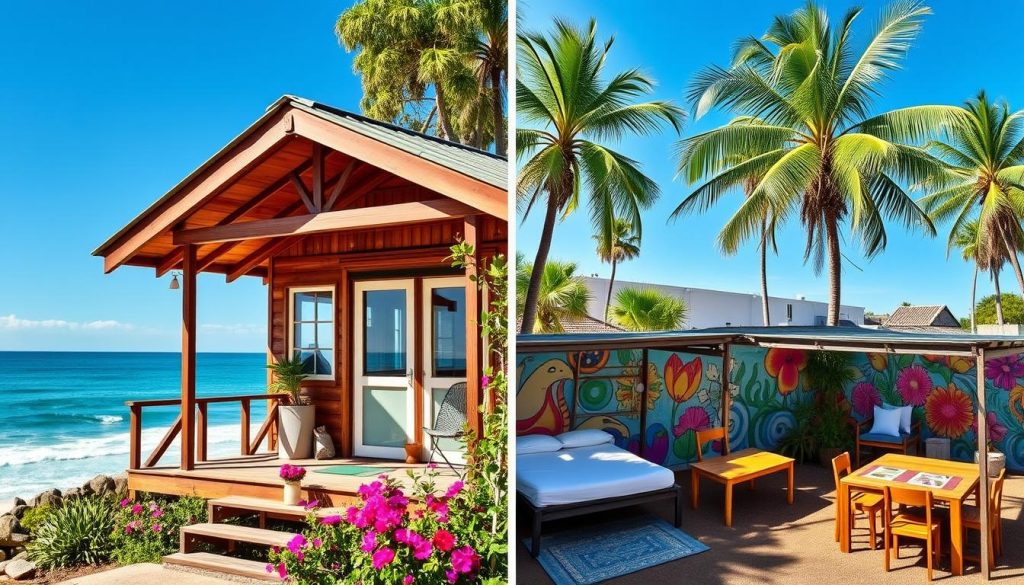
    budget-friendly accommodations in Australia

    Transportation Options in Australia

    Exploring Australia is thrilling, but getting around can be tough due to its size and varied landscapes. Luckily, there are many ways to travel, each with its own perks and things to think about.

    Domestic Flights

    Domestic flights are a quick and fairly affordable way to cover long distances. Flights from major US cities like Los Angeles, Dallas, or Vancouver take about 13.5-15 hours to reach Australia. Once you’re there, flights within the country can be as short as under an hour or up to 5 hours for trips across the country. This lets you visit several places during your trip.

    Rental Cars and Campervans

    Renting a car or campervan lets you explore Australia at your pace. You can drive through the country’s vast roads, find hidden spots, and travel whenever you want. Campervans are a smart choice, especially with friends, as they save money.

    Public Transportation Passes

    Public transport is a wallet-friendly way to move around cities. Cities like Sydney and Melbourne have cards like the Opal Card and myki. These cards save money over buying single tickets and are great for regular users of buses, trains, and ferries.

    Thinking about flight costs, car and campervan rentals, and public transport can help plan a trip that matches your budget and travel style.
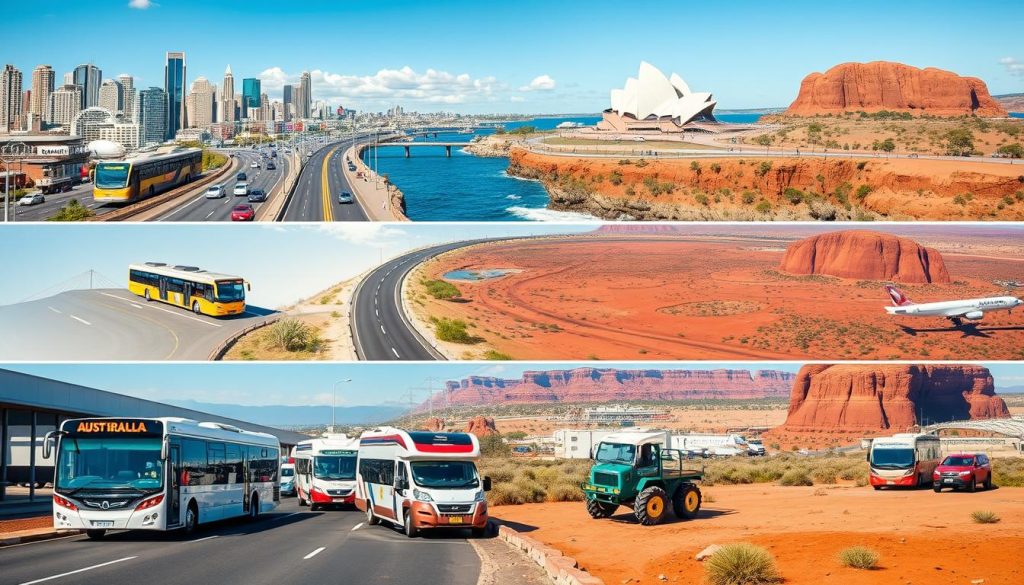
    transportation in australia

    Top Attractions and Activities

    Australia is famous for its iconic spots that attract visitors from all over. It has stunning natural beauty and vibrant cultural sites. There’s a lot to see in this amazing country. Let’s check out some top attractions and their costs.

    The Great Barrier Reef

    The Great Barrier Reef is one of Australia’s gems. It’s an underwater paradise. You can snorkel or dive to see the marine life and coral. Prices to visit the Great Barrier Reef are 45 to 180 AUD, based on the tour or activity you pick.

    Sydney Opera House and Harbour

    The Sydney Opera House is a stunning building that has amazed people for years. A tour of this famous place costs between 42 to 165 AUD. The harbour also offers great views, often for free.

    Uluru (Ayers Rock)

    Uluru, a huge sandstone rock in the Northern Territory, is a natural wonder. Seeing the sunrise or sunset over Uluru is unforgettable. Tours to this famous spot cost from 38 to 50 AUD.
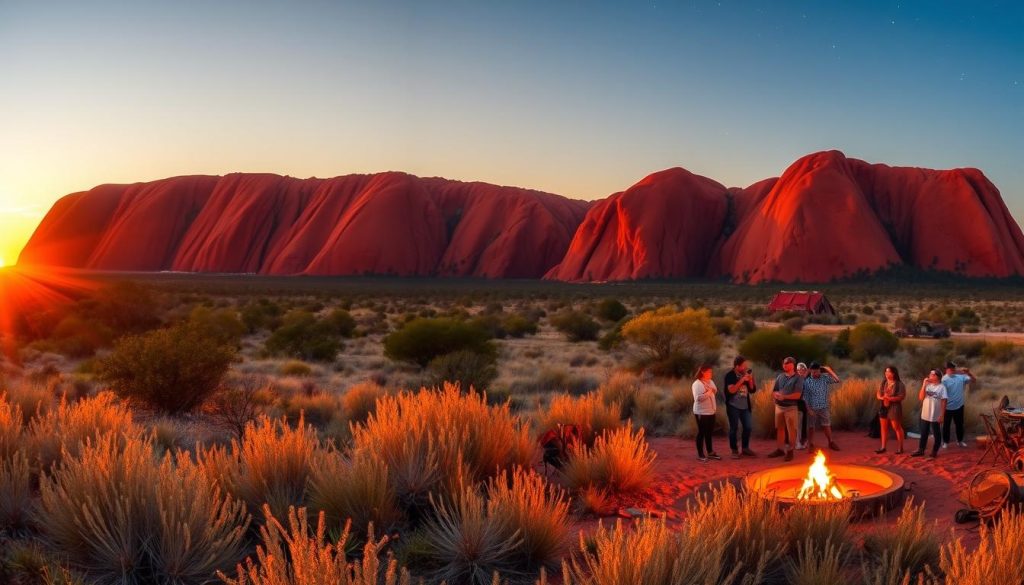
    Cost of visiting Uluru

    Australia has a wide range of attractions for every traveler. You can see the Great Barrier Reef, visit the Sydney Opera House, or see Uluru. There are many ways to make lasting memories on your trip to Australia.

    Conclusion

    The cost of a trip to Australia can change a lot based on what you like and how much you can spend. Australia is seen as pricey, but this guide has covered the usual costs for places to stay, getting around, eating, and doing activities. By cooking your meals, using public transport, and booking tours early, you can keep your trip affordable.

    With good planning and being open to changes, you can have a memorable and budget-friendly trip to this amazing country. The tips for budgeting a trip to Australia in this article can help make your dream trip come true without spending too much. Whether you’re on a tight budget or want a fancy trip, you can make it fit your money and what you like.

    Australia has lots of unique things to see, like swimming with whale sharks in Western Australia or checking out the oldest rainforest in Cairns. By watching your spending and using the tips given, you can enjoy more of this beautiful place without going over budget. With the right planning and a sense of adventure, your trip to Australia will be unforgettable.

    FAQ

    What are the typical costs for accommodation in Australia?

    Hostel dorm rooms in smaller cities cost 25-30 AUD per night. In big cities like Sydney or Melbourne, they cost 25-70 AUD per night. Private rooms in hostels are usually 80-150 AUD per night.

    How much should I budget for food and drinks in Australia?

    Eating out costs about 20 AUD on average. Fancy meals can be around 60 AUD. Fast food, like a McDonald’s value meal, is about 13 AUD. Beer prices are high, around 10 AUD each.

    What are the typical costs for tours and activities in Australia?

    Tours lasting several days cost about 400-750 AUD. Day trips are priced from 60-450 AUD. The Sydney Opera House costs 42-165 AUD to visit. The Great Barrier Reef and Uluru (Ayers Rock) are 45-180 AUD and 38-50 AUD respectively.

    How much should I budget for transportation in Australia?

    Greyhound offers bus passes for 15 days at 349 AUD, 30 days at 439 AUD, and 60 days at 499 AUD. Local transport costs about 46 AUD ( USD) daily.

    How much does a typical trip to Australia cost?

    Backpackers should budget 70-80 AUD per day. This includes staying in hostels, cooking, and keeping drinking and activities in check. A mid-range trip costs about 200 AUD per day. Luxury travel can be much pricier.

    What are some tips to save money when traveling in Australia?

    To save, try couchsurfing, camping, and cooking your meals. Use public transport and book tours and activities together to get discounts.

    How much do flights to Australia typically cost from the US?

    Flights from the US can be from

    FAQ

    What are the typical costs for accommodation in Australia?

    Hostel dorm rooms in smaller cities cost 25-30 AUD per night. In big cities like Sydney or Melbourne, they cost 25-70 AUD per night. Private rooms in hostels are usually 80-150 AUD per night.

    How much should I budget for food and drinks in Australia?

    Eating out costs about 20 AUD on average. Fancy meals can be around 60 AUD. Fast food, like a McDonald’s value meal, is about 13 AUD. Beer prices are high, around 10 AUD each.

    What are the typical costs for tours and activities in Australia?

    Tours lasting several days cost about 400-750 AUD. Day trips are priced from 60-450 AUD. The Sydney Opera House costs 42-165 AUD to visit. The Great Barrier Reef and Uluru (Ayers Rock) are 45-180 AUD and 38-50 AUD respectively.

    How much should I budget for transportation in Australia?

    Greyhound offers bus passes for 15 days at 349 AUD, 30 days at 439 AUD, and 60 days at 499 AUD. Local transport costs about 46 AUD ($31 USD) daily.

    How much does a typical trip to Australia cost?

    Backpackers should budget 70-80 AUD per day. This includes staying in hostels, cooking, and keeping drinking and activities in check. A mid-range trip costs about 200 AUD per day. Luxury travel can be much pricier.

    What are some tips to save money when traveling in Australia?

    To save, try couchsurfing, camping, and cooking your meals. Use public transport and book tours and activities together to get discounts.

    How much do flights to Australia typically cost from the US?

    Flights from the US can be from $1,400 to $2,600 for roundtrips. Prices vary by departure city and travel dates.

    ,400 to ,600 for roundtrips. Prices vary by departure city and travel dates.
  • Beginners Guide to Travelling Australia: Top Tips

    Beginners Guide to Travelling Australia: Top Tips

    Starting an Australian adventure is a dream for many, but it can seem overwhelming for first-timers. This guide covers everything from visa needs to local money, language, and slang. It also talks about the best times to visit, budgeting, wildlife, cultural experiences, dining manners, and must-try foods in Australia.

    This guide aims to give you the key knowledge and tips for a smooth and memorable trip to Australia.

    Key Takeaways

    • Understand visa requirements and local currency to prepare for your trip.
    • Learn about Australian English and common slang to communicate effectively.
    • Discover the best times to visit different regions based on seasonal weather patterns.
    • Create a realistic budget and explore cost-saving options like domestic flights.
    • Embrace the unique Australian wildlife and cultural experiences.

    Introduction to Travelling Australia

    Australia is a vast and diverse country. It has lush tropical rainforests in the north and rugged deserts in the center. You’ll find snow-capped mountains in the south and beautiful beaches along its coastlines.

    This size and diversity mean the climate, experiences, and attractions change with each region you visit.

    Australia’s Diversity and Vastness

    Australia is the sixth-largest country, covering over 2.9 million square miles. It has everything from the iconic Outback to vibrant cities. Each place offers unique experiences and cultural insights.

    Travelers should think about this diversity when planning their trip. Australia’s vastness means you’ll find different climates and environments.

    Preparing for an Australian Adventure

    Before visiting Australia, make sure to research and prepare well. Apply for the right visa, learn some local language and slang, and understand the currency. It’s also important to pack the right gear for the season and region.

    Australia’s weather can change a lot, from tropical heat to chilly winters. By preparing well, you can make sure your trip is smooth and memorable.

    Understanding Australia’s diversity and vastness helps travelers prepare better. This way, you can have an unforgettable adventure in this amazing country.

    General Tips for Travelling in Australia

    Planning a trip to Australia takes some prep, but it’s worth it. You’ll need to sort out visas, understand the currency, and get used to the local language. These tips will make your trip smooth and fun.

    Visa Requirements

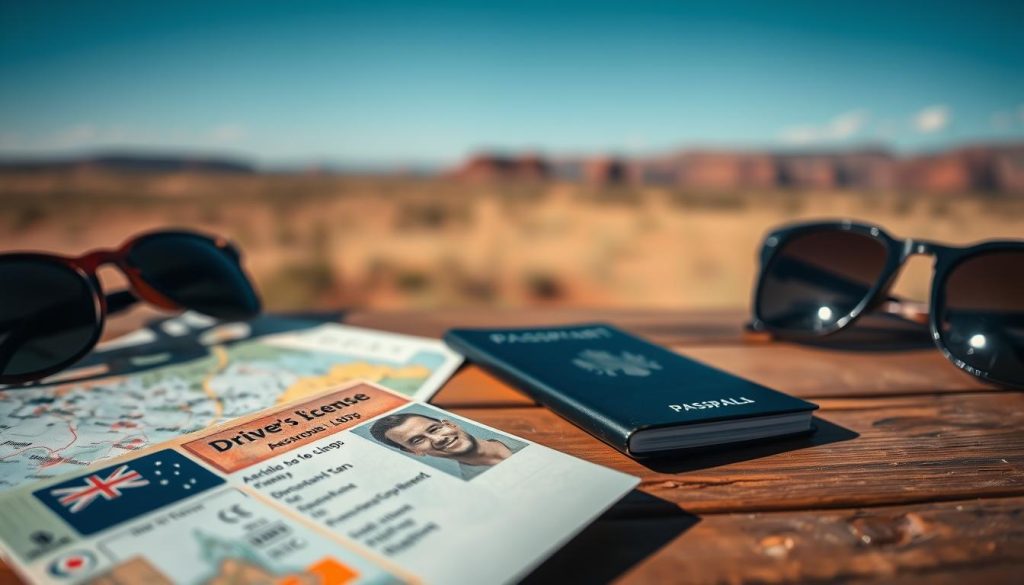
    You must get a visa before visiting Australia. The most common visa is for visitors and lets you stay up to three months. Applying for a visa is easy and can be done online at the Australian government’s immigration site. A visitor visa costs $145 AUD.

    English Language and Local Slang

    English is the main language in Australia, but get ready for some slang. You’ll hear words like “arvo” (afternoon), “barbie” (barbeque), “bottle-o” (liquor store), and “mozzie” (mosquito). Learning these words and asking for help can make talking to locals easier.

    Australian Currency

    The Aussie dollar (AUD) is Australia’s currency. Today, 1 US Dollar equals 1.39 AUD, 1 Euro equals 1.64 AUD, and 1 British Pound equals 1.80 AUD. Know the exchange rate and use cash, credit cards, and debit cards during your trip. It’s easier to exchange money in big cities, but options might be fewer in the countryside.

    Australian Currency

    Understanding these key points about Australian travel will make your visit better. You’ll enjoy exploring the country’s gardening tools, garden tools, gardening equipment, garden supplies, lawn tools, landscaping tools, horticultural tools, yard tools, gardening accessories, and garden maintenance tools.

    Beginners Guide to Travelling Australia

    Starting your Australian adventure can be thrilling for first-timers. You’ll find everything from Sydney’s famous landmarks to the Outback’s wild beauty. Here’s a guide to help you travel smoothly through Australia.

    Understanding Australia’s Unique Geography

    Australia is the sixth-largest country, covering nearly 3 million square miles. 90% of the population lives along the coast, attracted by the mild climate and the sea. The Outback, in the center, is a harsh desert with extreme temperatures. It’s a tough but exciting place for those who love adventure.

    Exploring the Diversity of Australia’s Wildlife

    Australia boasts a wide range of unique and fascinating wildlife. You’ll find everything from kangaroos and koalas to snakes and Tasmanian devils. Always keep a safe distance and respect these animals’ space.

    Immersing in Aboriginal Culture

    The Aboriginal population makes up 3.8% of Australia’s people. Their traditions and connection to the land are deep and rich. Look for chances to learn about their history, art, and customs. Join guided tours or cultural events to truly appreciate their heritage.

    Discovering Natural Wonders

    Australia has many natural wonders, like the breathtaking Great Barrier Reef and the Twelve Apostles on the Great Ocean Road. Make time to see these places and enjoy the stunning landscapes.

    Exploring Australia’s diversity, culture, and nature will give first-time visitors an unforgettable experience. Approach your trip with an open mind, a spirit of adventure, and a deep respect for this unique country.

    Timing Your Visit

    When planning your gardening tools, garden tools, gardening equipment, and garden supplies trip in Australia, think about the country’s different seasons and climate. Australia is big and has many landscapes. The best time to visit changes a lot based on where you go and what you like.

    Spring in Australia

    Spring, from September to November, is a great time to see Australia. The weather is mild and nice in many places. It’s perfect for visiting places like New South Wales, Southern Queensland, and Western Australia. You can enjoy outdoor activities and see the country’s beauty without the summer heat.

    Summer in Australia

    Summer, from December to February, can get very hot. There’s a risk of wildfires and heatwaves. But, summer also has lots of outdoor events and festivals. The southern states of Victoria and Tasmania are good places to go in summer. The weather is warm and great for being outside.

    Autumn in Australia

    Autumn, from March to May, is another lovely time to visit Australia. The weather is mild, and there are fewer people around. It’s a good season for exploring places like South Australia, New South Wales, Queensland, and Western Australia. Autumn is perfect for outdoor gardening accessories and garden maintenance tools adventures.

    “Australia’s diverse seasons and climates offer a wide range of opportunities for visitors to enjoy the country’s natural wonders throughout the year.”

    Budgeting for Your Australian Holiday

    Traveling to Australia is exciting but planning your budget is key. Australia is a top spot for backpackers, but it’s pricey, especially in cities like Sydney and Melbourne. Costs can pile up fast, from where you stay to what you eat and do.

    But, you can still enjoy Australia on a budget. Knowing what things cost can help you make smart choices and save money. This way, you can make the most of your trip without breaking the bank.

    Accommodation and Transportation

    Hostels for backpackers in Australia cost between $27 to $45 a night. Private rooms in motels or B&Bs are about $65 to $100 a night. For two weeks in shared accommodation, you might spend about $540.

    Public transport costs about $4 per trip. Weekly, it’s around $40. For more travel, a 3-month rail explorer pass is $485, which can save you money.

    Food and Activities

    Food for a week in Australia is about $70. Eating out costs around $120 a week. For an 8-week trip, plan to spend about $1,600 on food.

    There are many activities to choose from. Surfing lessons in Byron Bay start at $60, and diving the Great Barrier Reef costs about $99. Many natural sights, like the Twelve Apostles, are free. Aim to spend about $600 on activities.

    Campervan Rental and Camping

    Renting a 2-3 berth campervan for 4 weeks from Sydney to Darwin costs about $1,260. Fuel for 4,000 km at $1.55 per liter is around $744. Campsites are about $15 a night.

    Planning for these costs helps make your Australian trip memorable and affordable. Look for deals and include unexpected costs and travel insurance in your budget. With some prep and flexibility, you can have an amazing Australian adventure within your budget.

    garden tools

    With a bit of planning and a flexible approach, you can have an unforgettable trip to Australia that fits your budget.

    Encountering Australian Wildlife

    Many visitors to Australia love seeing the unique wildlife. Kangaroos are not often seen in cities but can be found in suburbs and during hikes. They are most active at dawn and dusk.

    Kangaroo Sightings

    Australia has almost 400 mammal species and 140 marsupials. Half of the birds here are found only in Australia. There are about 50 million kangaroos, more than people.

    Tourists can see these iconic animals by exploring Australia’s roads and 4WD tracks. These places offer many chances to see native wildlife.

    • Four out of five animals that live in Australia can only be found there.
    • The Tasmanian devil carries up to four young marsupials.
    • The kookaburra is the world’s largest kingfisher bird.

    From the Great Ocean Road in Victoria to the Great Tropical Drive in Queensland, Australia’s scenic trips show off national parks and habitats full of native species. Travelers can see kangaroos, koalas, or the Tasmanian devil. These experiences are unforgettable.

    kangaroo

    “Australia offers some of the world’s greatest road trips for wildlife enthusiasts.”

    Australian Hospitality and Culture

    Australians are known for being friendly and polite. Visitors will find locals who love to chat and help out. They show their hospitality by opening doors or letting others go first.

    Friendly and Courteous Aussies

    Sydney welcomes many visitors with its famous sights like the Harbor Bridge and the Opera House. You can also explore the Rocks area, known for its history. Manly Beach and Bondi Beach are top spots for those who love the beach.

    Australian English and Slang

    In Australia, English is the main language, but you’ll hear a unique way of speaking. Words like “arvo” (afternoon), “barbie” (barbecue), and “mozzie” (mosquito) might be new. Asking for help can make talking with locals easier.

    Australian Garden Tools

    “The Rocks area is historically significant, being the landing place of the first settlers in Australia.”

    Destination Highlights
    Uluru-Kata Tjuta National Park Culturally significant for Australia’s Aboriginal community, featuring the soaring rock formations of Uluru (Ayers Rock) and The Olgas/Kata Tjuta.
    Great Barrier Reef The world’s largest coral reef, stretching for 2,300 kilometers along Australia’s northeast coast, with Lizard Island being one of the northern islands in the archipelago.
    Great Ocean Road A spectacular coastal drive offering limestone cliffs and unique geological formations.

    Indigenous Culture and Experiences

    Australia is home to the world’s oldest living culture. It has hundreds of Aboriginal and Torres Strait Islander groups. Each group has their own languages, histories, and traditions. Visitors can learn about this rich heritage through art galleries, museums, tours, and workshops.

    In the U.S., Native-owned hospitality businesses make up a $14 billion industry in tourism. These businesses help preserve culture and create jobs, especially in rural areas. Indigenous-led tourism offers real experiences that challenge wrong beliefs about Indigenous communities.

    There are many Indigenous-led travel experiences worldwide, for all interests. Groups like the American Indian Alaska Native Tourism Association and the Indigenous Tourism Association of Canada help find these experiences.

    Connecting with Indigenous culture and communities changes a visit to Australia. It’s a chance to learn and appreciate the First Nations people and their traditions.

    indigenous culture

    “Connecting with Indigenous cultures is a deeply rewarding and eye-opening experience. It’s a chance to learn, discover, and appreciate the diverse perspectives that have shaped Australia for thousands of years.”

    Great Barrier Reef Conservation

    The Great Barrier Reef is a natural wonder in Australia facing big challenges from climate change and other issues. But, it’s more resilient than many think. Visitors can help protect it by supporting conservation efforts.

    This massive reef stretches over 1,400 miles, bigger than the UK, the Netherlands, and Switzerland combined. You can get there from major airports in Cairns, Townsville, Gladstone, and Hamilton Island. There are direct flights from many places in Australia and around the world, making it easy to visit.

    One great way to see the reef is by joining citizen science projects. These programs let visitors help track the reef’s health. By doing this, you learn more about the reef and why it’s important to protect it.

    Also, you can help by supporting local groups and eco-tourism businesses. These groups focus on preserving the reef in a sustainable way. They offer tours that are good for the environment.

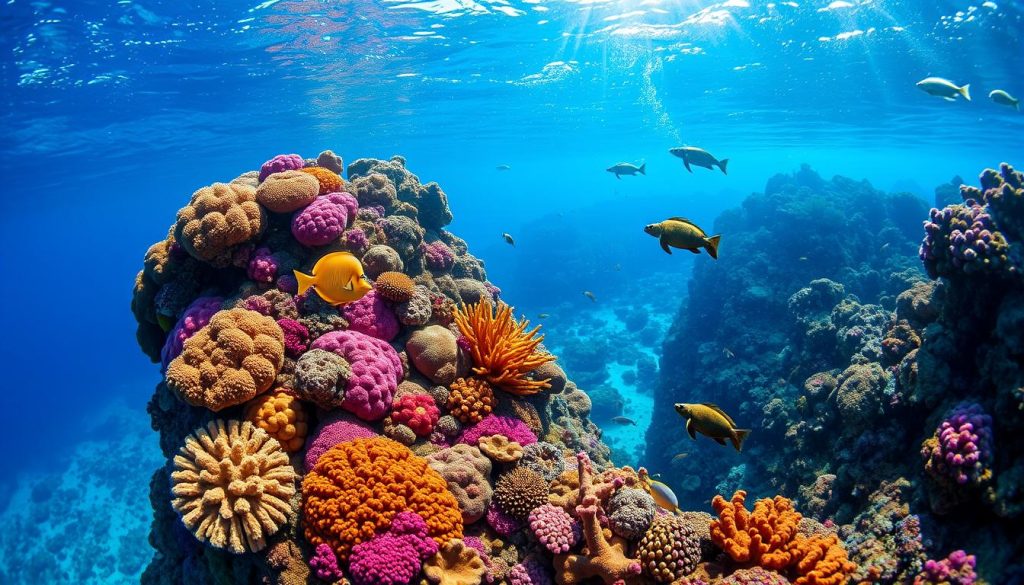
    Great Barrier Reef

    The Great Barrier Reef is still a powerful and beautiful place, despite its challenges. By helping with conservation and choosing eco-friendly tours, visitors can make a big difference. This helps protect this amazing Australian landmark for the future.

    Relaxed Australian Lifestyle

    In Australia, going barefoot is common, even in places like shops and cafes. This shows the country’s warm climate and love for the outdoors. It’s part of the beach culture here.

    Australians are known for being friendly and welcoming. This makes it easy for visitors to fit in. They value comfort and being casual over being formal.

    Walking barefoot is common, whether it’s at Bondi Beach or in Sydney’s Rocks neighborhood. This relaxed way of life is a big part of being Australian. It’s why so many people from around the world love visiting.

    The country’s beauty, from the Blue Mountains to Sydney’s city life, reflects this relaxed lifestyle. Embracing barefoot living can be a unique and freeing experience.

    australian lifestyle

    “In Australia, you can be whoever you want to be. It’s a very accepting and relaxed society.” – Australian actor Hugh Jackman

    Whether you’re at the beach, exploring the city, or eating at a cafe, the Australian way of life will impress you. It’s a lifestyle that leaves a lasting impact.

    Perspective on Dangerous Wildlife

    Australia is often seen as a place full of dangerous animals. But, the truth is, running into deadly creatures is rare, especially in cities. It’s important to be careful, but don’t worry too much about snakes, spiders, or crocodiles.

    Kangaroos can be big, up to two meters tall and 90 kilograms heavy. They usually stick together in groups. But, during mating season, males might get aggressive and harm property. Yet, more threats come from cities and destroying their homes than from people.

    Snakes like the Brown Snake and Inland Taipan are out there, but they don’t often meet humans. Be careful when you’re hiking or camping where they live. Spiders like the Redback and Sydney Funnel-Web are also around, but they won’t bother you unless you bother them first.

    Knowing about dangers and being careful is smart. But don’t let fear stop you from enjoying Australia’s beauty and unique experiences. By being aware and respecting nature, you can safely enjoy the outdoors in Australia.

    “In Australia, you must respect the wildlife, but they are not out to get you. With a little common sense, you can have an amazing and safe adventure.”

    Dining Hours and Etiquette

    When you visit Australia’s lively food scene, keep in mind the local dining customs and etiquette. A unique thing to know is the “dead zone” many cafes and restaurants have, from 3 pm to 5 pm. During this time, the kitchen might be closed, and food choices could be limited. So, plan your dining times to avoid missing out.

    Tipping Culture in Australia

    Tipping isn’t common or expected in Australia. The country has a high minimum wage, and service charges are already in the meal price. If you want to show thanks for great service, you can tip, but it’s not required. Knowing this can make eating out easier for you.

    Dining Etiquette Tip Description
    Napkin Placement The napkin should be folded in half with the crease facing towards you. Any stains should be dabbed, not wiped.
    Bread Buttering Avoid buttering the entire slice of bread at once; instead, break off the piece you plan to eat and butter that part.
    Plate Etiquette The upper left part of your plate is designated for discards, while the bottom right is for sauces and butter.

    Knowing these dining tips can make eating out in Australia easier and more enjoyable. It ensures a memorable and culturally rich dining experience.

    Australian dining etiquette

    Iconic Australian Foods

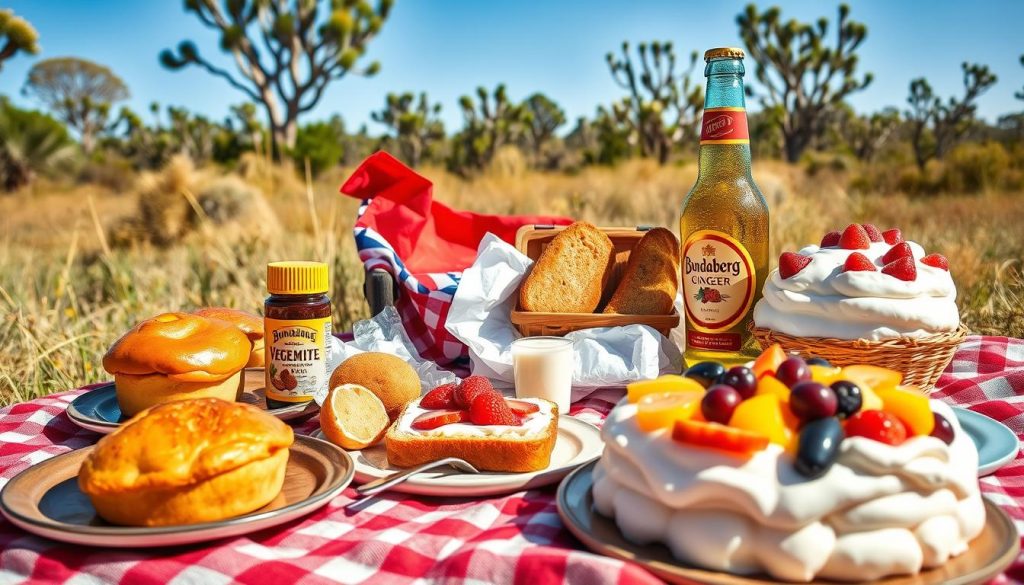
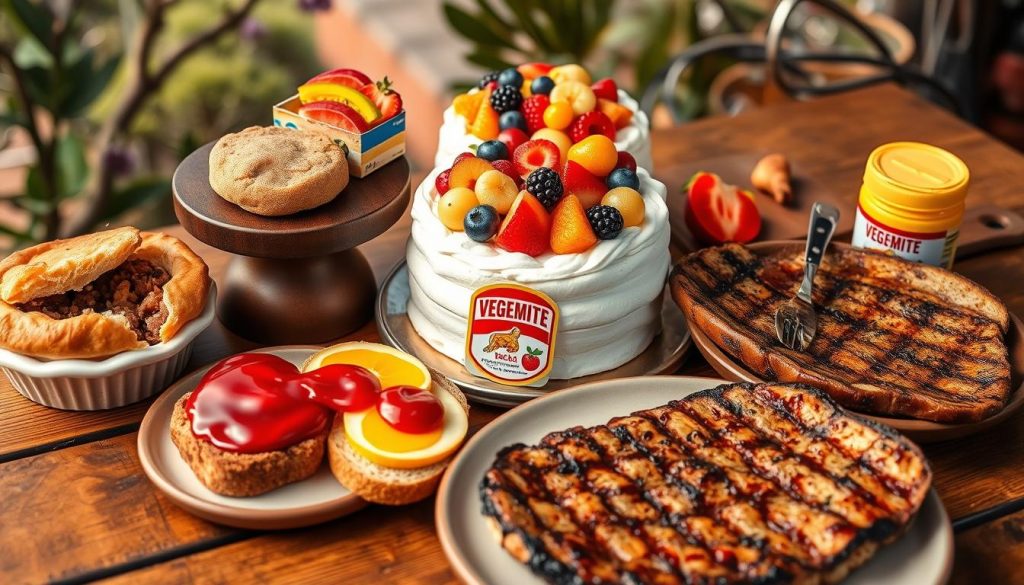
    No trip to Australia is complete without tasting its iconic foods. You must try savory meat pies and the famous Vegemite. Don’t forget the unique chicken salt on french fries, a favorite seasoning.

    Meat Pies and Vegemite

    Meat pies are a key part of Australian snacks. They come with tomato sauce and are loved by many. Vegemite, a yeast spread, is also a must-try but eat it in small amounts to avoid a strong taste.

    Chicken Salt on Fries

    Chicken salt on french fries, or “chips,” is a special Australian treat. This seasoning mix, without real chicken, adds a unique taste to hot fries. It’s a favorite way to enjoy crispy fries.

    Australian food

    “Meat pies and Vegemite are quintessential Australian foods that every visitor should try, while chicken salt on fries is a unique and delicious local twist.”

    Great Barrier Reef Snorkeling Tips

    Exploring the Great Barrier Reef is a dream for many travelers in Australia. It doesn’t matter if you’re an expert or a beginner. Here are some key tips for a safe and fun snorkeling trip.

    First, protect yourself from jellyfish stings. The reef has many marine animals, including box jellyfish. Wear a stinger suit or rash guard to avoid getting stung.

    The best time to snorkel is from June to October. The weather is warm, and it doesn’t rain much. This makes the water calm and clear, perfect for seeing the underwater life.

    Look for reputable snorkeling tour operators in Cairns and Port Douglas. Companies like Tusa Dive, Quicksilver, Pro Dive Cairns, and Silverswift offer great gear, guides, and care for the reef.

    There are snorkeling trips for every budget. A two-night “Liveaboard” trip costs about $400 AUD per person. For a cheaper option, try a one-day trip for around $100 AUD. For a full experience, consider the Skyrail Rainforest Cableway & Kuranda Rail Self-Drive ticket, starting at $112.50 AUD.

    With the right preparation and research, you’re set for an amazing snorkeling adventure in the Great Barrier Reef. It’s one of Australia’s most famous natural wonders.

    Activity Cost (AUD)
    Mid-range Two-night “Liveaboard” Trip $400 per person
    Budget-friendly One-day Reef Trip $100 per person
    Minimum Budget for Cairns and Reef Experience $600 per person
    Skyrail Rainforest Cableway & Kuranda Rail Self-Drive $112.50 per person
    Skyrail Rainforest Cableway & Kuranda Rail with Transfers $126 – $153 per person
    Paronella Park Admission $46 per adult
    Whitsunday Islands Cruises, Sails, and Snorkeling $59 per person

    The Great Barrier Reef is a treasure that needs our care. By following these tips and choosing responsible tours, you help protect it for the future.

    Conclusion

    This guide has given you the key knowledge to enjoy your Australian trip. You now know how to navigate the vast lands and diverse cultures. You’re ready to make lasting memories in this beautiful country.

    Australia has a lot to offer, from lively cities to stunning beaches and deep heritage. Embrace the Aussie way of life, try the tasty local food, and explore the hidden spots that make Australia special.

    This guide has given you the tools to plan and enjoy your trip. So, get your bags ready, take your gardening tools, and start an amazing journey in this unique land.

    FAQ

    What are the visa requirements for visiting Australia?

    To visit Australia, you must get a visa before you go. The most common visa is the visitor visa, good for up to three months. You can apply online through the Australian government’s immigration website.

    What is the official currency in Australia and how can I prepare for it?

    Australia uses the Australian dollar (AUD). Get to know the exchange rate and be ready with cash, credit cards, and debit cards. It’s easier to exchange money in big cities.

    What should I know about the English language and local slang in Australia?

    English is the main language in Australia, but you’ll hear unique slang. Words like “arvo” (afternoon), “barbie” (barbeque), “bottle-o” (liquor store), and “mozzie” (mosquito) are common. Learning these can help you talk with locals.

    What is the best time of year to visit Australia?

    Spring (September to November) and autumn (March to May) are great times to visit. The weather is mild and nice in many places. Summer (December to February) can be hot, especially in the north. But, the south, like Victoria and Tasmania, has cooler summers.

    How can I budget effectively for my Australian holiday?

    Australia can be pricey, especially in cities like Sydney and Melbourne. Plan your budget for accommodation, transport, activities, and food. But, you can also find free or cheap things to do, like beach trips and hiking.

    What are the chances of encountering dangerous wildlife in Australia?

    Australia is not as dangerous as people think, especially in cities. Be careful, but don’t worry too much about snakes, spiders, or crocodiles. They’re not common in everyday life.

    What should I know about dining etiquette and tipping in Australia?

    Many places in Australia close their kitchens from 3 pm to 5 pm. Tipping isn’t common because wages are higher and service charges are included in the bill.

    What are some iconic Australian foods I should try?

    Don’t miss out on meat pies and Vegemite. Meat pies are a classic snack with tomato sauce. Vegemite is a yeast spread that’s strong, so use it sparingly. Also, try chicken salt on your fries for a local flavor.

    What should I keep in mind when snorkeling on the Great Barrier Reef?

    When snorkeling on the Great Barrier Reef, wear something to protect you from jellyfish stings. A stinger suit or rash guard is a good idea for a safe snorkel.

  • Aussie Eats: Must Try Food When Traveling in Australia

    Aussie Eats: Must Try Food When Traveling in Australia

    Australia is a place full of different cultures and tastes. It has many tasty and unique foods to try. From savory meat pies to creamy pavlovas, there are dishes that visitors should not miss.

    This article will talk about 15 foods that show what iconic Australian dishes, Australian cuisine, and the best Australian cuisine are all about.

    Key Takeaways

    • Australia has a rich food scene with many iconic dishes that show its cultural heritage.
    • Must-try foods include meat pies, Tim Tam biscuits, Anzac biscuits, fish and chips, and grilled meats from the traditional Aussie barbecue.
    • Snacks and desserts like Cherry Ripe, Lamingtons, and Golden Gaytime are loved around the world.
    • For those who like to try new things, there’s kangaroo and emu meat, and even witchetty grubs and damper.
    • Coastal areas offer fresh seafood, making the must try Australian food experience even better.

    The Quintessential Aussie Barbecue

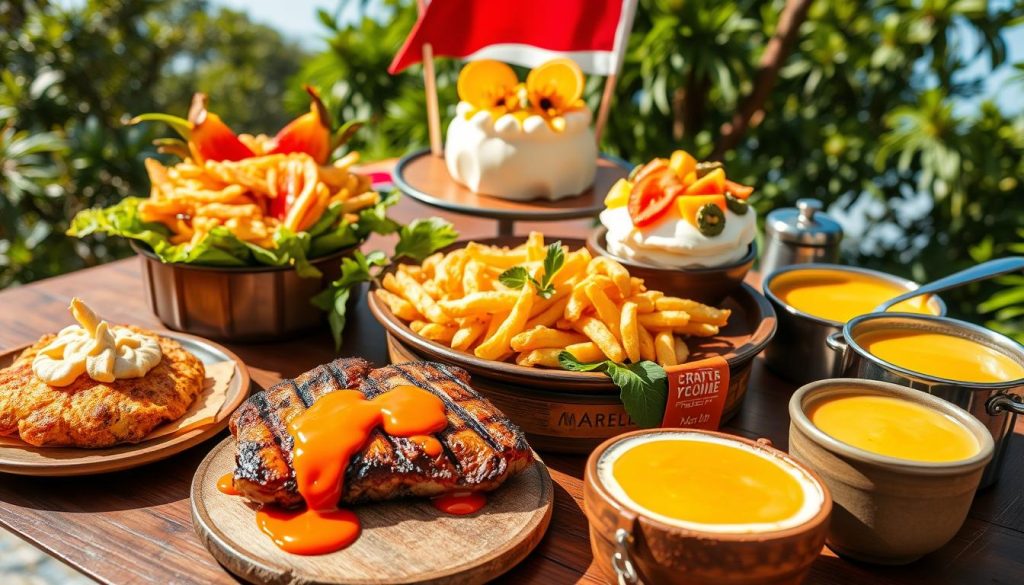
    The australian barbecue, or “barbie,” is a key part of Australian culture. People love grilling a variety of australian grilled meats. This includes classic aussie bbq favorites like burgers and sausages, as well as more daring options.

    At a backyard barbecue australia, friends and family gather to enjoy the smoky flavors of the grill. They enjoy fresh salads, grilled veggies, and bread with tasty sauces like ketchup or grilling in australia barbecue sauce.

    Grilling Up a Storm

    Beef patties and herb-flavored australian grilled meats are big hits at the aussie bbq. Sausages, or “snags,” are a favorite. They’re grilled just right and served with fried onions and crispy potatoes.

    The backyard barbecue australia is a social event. The smell of grilling and laughter fill the air. It’s a celebration of Australian culture and the joy of good food and company.

    “The australian barbecue is not just about the food; it’s about the experience, the camaraderie, and the shared love of good company and great grilling.”

    Iconic Australian Dishes

    Australia is famous for its diverse and tasty food. It has many iconic dishes that are loved across the country. Chicken Parmigiana and Barramundi are two examples that show off Australian cooking’s creativity and authenticity.

    Chicken Parmigiana (Chicken Parma)

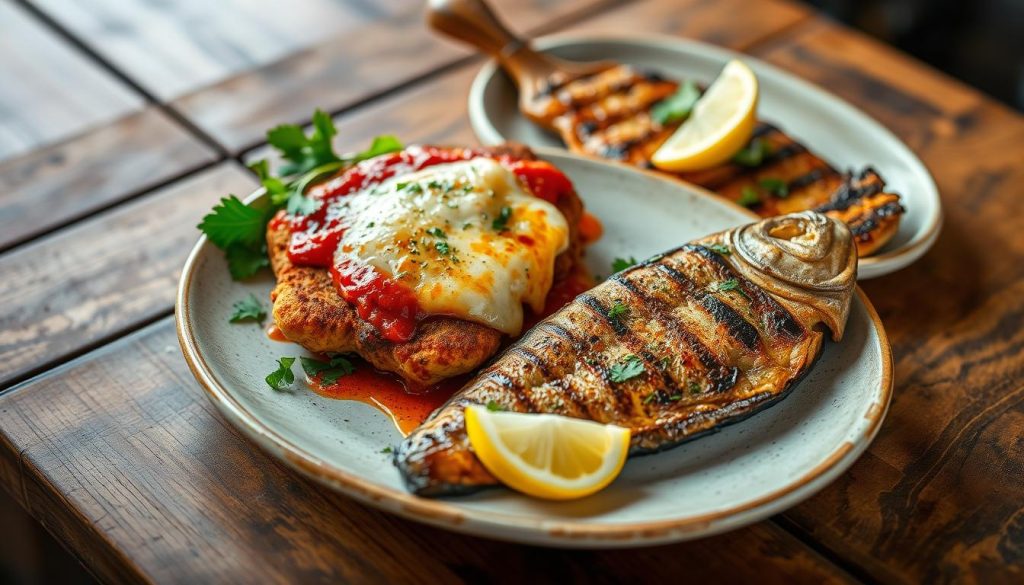
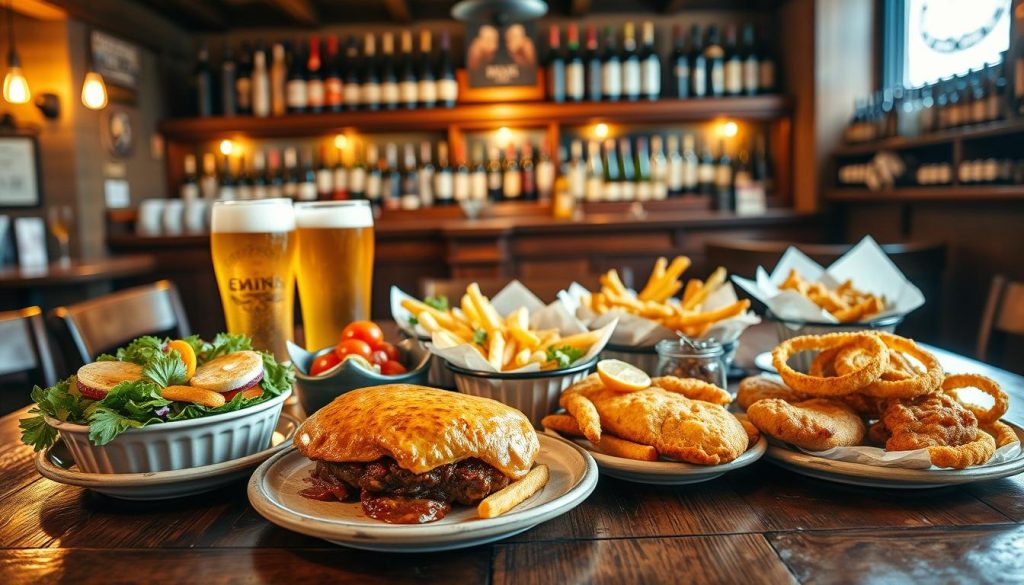
    Chicken Parmigiana is a favorite pub dish. It has a crispy chicken schnitzel, topped with ham, Napoli sauce, and melted cheese. This dish shows how Australian food combines European and local tastes.

    The mix of juicy chicken, rich Napoli sauce, and melted cheese makes it a hit. It’s a key dish on many menus in Australia.

    Barramundi

    Barramundi is a big river fish that’s a top seafood choice in Australia. It can be cooked in many ways, like frying, baking, grilling, or barbecuing. This shows how versatile and delicious it is.

    The Barramundi’s firm, tasty flesh is perfect for those wanting to try Australian seafood. It’s a favorite for its rich flavor.

    Chicken Parmigiana and Barramundi are key dishes in Australian food culture. They show the creativity, variety, and local pride in Australian cuisine.

    Chicken Parmigiana and Barramundi

    Adventurous Aussie Proteins

    Australia is a haven for those who love to try new foods. It offers a range of unique proteins that go beyond the usual meats. Kangaroo meat is a lean and tasty choice, perfect for steaks, burgers, jerky, or stews. Trying kangaroo meat is a must for anyone visiting Australia, connecting them to the country’s wildlife and food culture.

    There’s more to explore beyond kangaroo. Adventurous australian foods like emu meat are also worth trying. Emu is low in fat but high in protein, similar to kangaroo. And for a truly unique taste, there’s witchetty grubs, a traditional Aboriginal food.

    Seafood lovers will find plenty to enjoy in Australia too. From the two-spined flathead fish to the delicious Balmain and Moreton Bay bugs, the options are endless. These kangaroo meat australia choices show off the country’s rich biodiversity and culinary creativity.

    If you’re a foodie looking for something new, Australia’s unique proteins are a must-try. From the lean kangaroo meat australia to exotic seafood, the country offers a culinary adventure you won’t forget.

    must try food when traveling in australia

    Australia is famous for its diverse and tasty food. It offers a unique taste experience for travelers. You’ll find everything from classic barbecue to iconic sweets and snacks.

    Iconic Australian Dishes

    Don’t miss out on Australia’s iconic dishes. Try the Chicken Parmigiana, a chicken schnitzel with ham, Napoli sauce, and melted cheese. Also, the Barramundi, a tasty river fish, is often fried, baked, or grilled.

    Adventurous Aussie Proteins

    For those who love to try new things, Kangaroo Meat is a must. It tastes like venison and is lean. You can have it as a steak, burger, jerky, or in stews and pies.

    Iconic Australian Sweets

    Don’t forget to try Australia’s famous sweets. Enjoy the rich Lamingtons, sponge cakes covered in chocolate icing and coconut. Or, try the Pavlova, a meringue dessert with whipped cream and fresh fruits.

    Australian Snack Favorites

    Australians love their Tim Tams, chocolatey biscuits with cream. And they also enjoy Meat Pies, savory pies with minced meat, gravy, and veggies.

    Trying these Australian foods lets you experience the country’s diverse cuisine. You’ll appreciate its rich food culture and heritage even more.

    Australian cuisine

    Australian Snack Favorites

    Australia is famous for its wide range of tasty snacks. Tim Tams and savory meat pies are just a few of the favorites. These snacks are a big part of Australian food culture.

    Tim Tams: Chocolate Biscuit Bliss

    Tim Tams are a top snack in Australia. They are chocolate biscuits with a creamy inside. Many Aussies love the “Tim Tam Slam” trick, where you use the biscuit as a straw for hot drinks.

    Meat Pies: A Savory Delight

    Trying a meat pie is a must when in Australia. These pastries are packed with meat, gravy, and veggies. They’re perfect for a quick snack or a filling meal.

    australian snacks

    “Australian meat pies are a national treasure, and I can’t get enough of them!” – Sarah, a local from Melbourne.

    When you visit Australia, don’t miss out on trying Tim Tams and meat pies. They’re key snacks in Australian food culture.

    Iconic Australian Sweets

    Australia is famous for its tasty desserts and treats. Two sweets are especially loved by locals and visitors. They are must-try treats in Australia.

    Lamingtons

    Lamingtons are a classic Australian cake. They are sponge cakes covered in chocolate icing and rolled in coconut. These small treats are loved for their moist, chocolatey, and crunchy coconut taste.

    Pavlova

    The pavlova is a dessert that sparks a debate about its origins between Australia and New Zealand. It’s a meringue dessert topped with whipped cream and fresh fruits like kiwi, strawberries, and passionfruit. The pavlova is crisp on the outside and soft inside. It’s a true Australian icon.

    These iconic australian sweets are key to the Australian food scene. They show off the country’s unique tastes and rich culture. Trying a lamingtons australia or a pavlova australia is a memorable experience for visitors.

    Breakfast and Brunch Delights

    Australians love their breakfast and brunch dishes. They show off the country’s lively food scene. From the famous Vegemite on Toast to the fun Fairy Bread, these dishes are key to Australian culture.

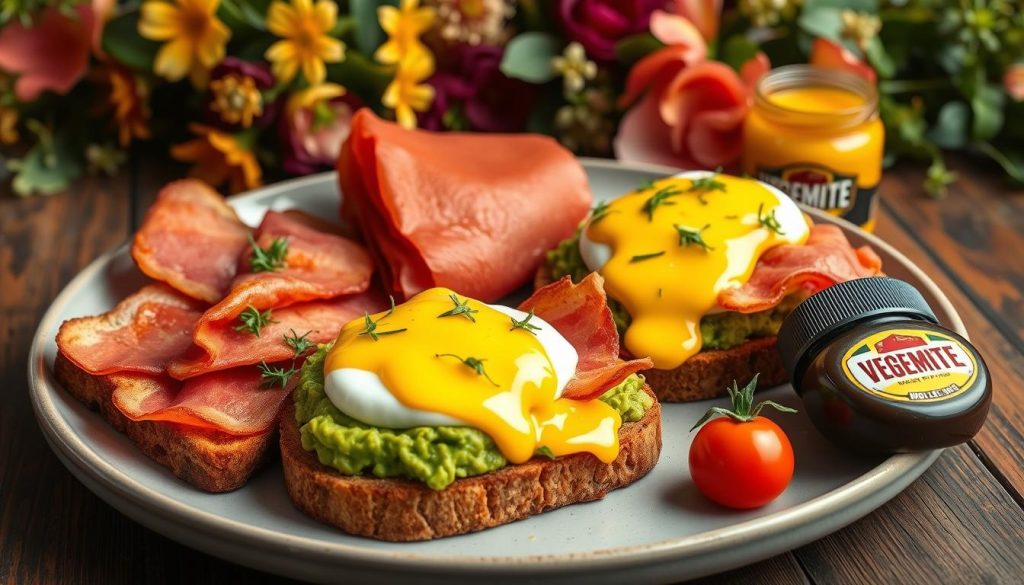
    Vegemite on Toast

    Vegemite is a key Australian breakfast item. It’s a yeast-based spread that tastes great on buttered toast. This spread has been a staple for many years, loved for its unique salty flavor.

    Fairy Bread

    Fairy Bread is a beloved childhood treat. It’s made by putting butter and colorful sprinkles on white bread. This sweet snack is a big hit at parties and brings back happy memories for many.

    These australian breakfast foods like vegemite australia and fairy bread australia are great ways to experience Australia’s food culture. Whether you want a savory or sweet start to your day, these dishes are a must-try for visitors.

    australian breakfast foods

    Coastal Flavors

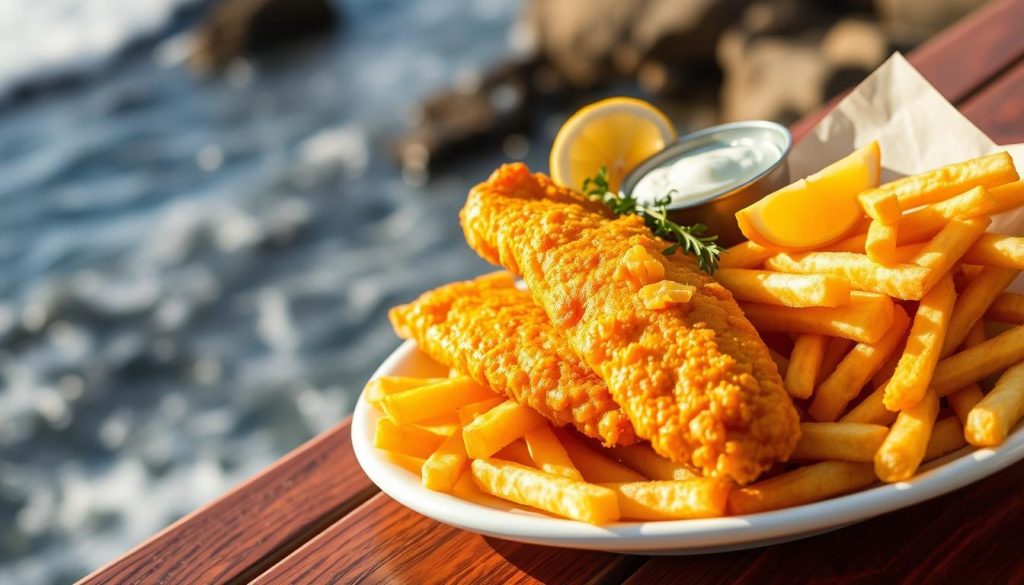
    Australia, being an island nation, is famous for its fresh, tasty australian seafood. A top Australian dish is fish and chips. It’s battered, deep-fried fish with chunky fries. Enjoy it best straight from the beach, with the sound of waves and sea breeze.

    Fish and Chips

    The fish and chips australia experience is unmatched. Picture sitting on the sand, breathing in the salty air, as you enjoy the crispy, golden-brown batter. Each bite is full of flavor, with the satisfying crunch of thick-cut fries. It’s a dish that captures Australia’s coastal lifestyle perfectly.

    Whether you’re in a busy seaside town or a quiet fishing village, the local fish and chips australia spot is a must-visit. You can try traditional cod or adventurous barramundi, exploring the wide range of australian seafood. Add a refreshing drink, and you have the perfect recipe for a quintessential coastal australian cuisine experience.

    fish and chips australia

    “There’s nothing quite like the taste of fresh, crispy fish and chips enjoyed right on the beach. It’s a true taste of the Australian lifestyle.”

    Australian Pub Grub

    Australian pubs are famous for their hearty, comforting food. These dishes are a big part of the country’s food scene. The burger with beetroot is a top example of this, adding a unique twist to the classic burger.

    Burger with Beetroot: A Distinctly Australian Twist

    The burger with beetroot is a key dish in Australian pubs. It adds a colorful and healthy touch to the usual burger. Roasted beet slices make it look great and taste sweet, which goes well with the patty and other toppings.

    This burger has become very popular in Australia. Australian pub food and burgers Australia are favorites on menus everywhere. Adding beetroot burgers makes the dish healthier and more filling for diners.

    “The burger with beetroot is a delightful celebration of Australian flavors, blending the familiar with the unexpected in a delicious and visually appealing way.”

    australian pub food

    Enjoying a burger with beetroot at a cozy pub or a busy beach spot is a must in Australia. Its bright colors, unique taste, and local flavors make it a top choice for anyone wanting to try Australian food.

    Indigenous Australian Cuisine

    Australia’s Indigenous cultures have a rich and fascinating culinary heritage that is often overlooked by visitors. Two iconic foods that showcase the ingenuity and resourcefulness of Aboriginal Australians are the witchetty grub and the traditional damper bread.

    Witchetty Grubs: A Nutritious Delicacy

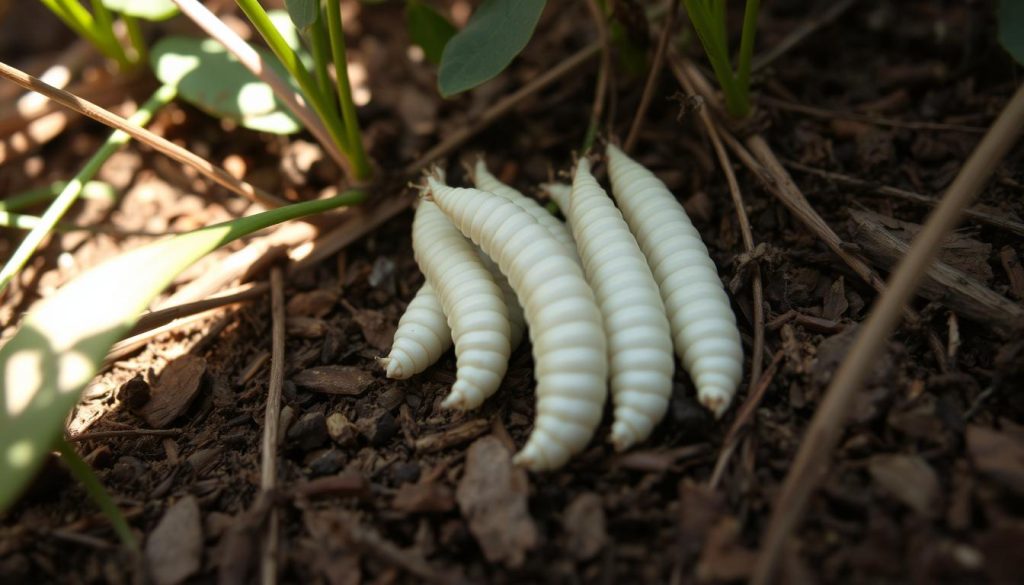
    Witchetty grubs are the larvae of a certain moth species found in the Australian outback. They have been eaten by Aboriginal Australians for thousands of years. These grubs are harvested from tree roots, roasted, and eaten whole.

    Though they may seem unusual, witchetty grubs are loved for their buttery, nutty flavor and high nutritional value. They are full of protein, vitamins, and minerals. This shows the deep knowledge and survival skills of Australia’s first peoples.

    Damper: A Staple of the Outback

    Another iconic Aboriginal Australian dish is the humble damper. It’s a traditional bush bread made from flour, water, and salt. Damper was a key food for Indigenous Australians, cooked by burying the dough in hot campfire coals.

    The result is a crusty, savory bread that symbolizes the Australian outback and its people’s resourcefulness. Damper can be eaten alone or used with various toppings and fillings. It’s a key part of indigenous Australian cuisine.

    Exploring the culinary traditions of Australia’s Aboriginal peoples offers a unique look into the country’s ancient history and culture. From damper to witchetty grubs, these foods show the ingenuity and adaptability of the first Australians.

    witchetty grubs

    Iconic Australian Desserts

    Australia is known for its delightful desserts that have become staples in the country. From the classic Pavlova to the beloved Cherry Ripe chocolate bar, these treats offer a unique taste of Australian flavors.

    Cherry Ripe: Australia’s Oldest Chocolate Delight

    The Cherry Ripe chocolate bar has been around since 1924. It’s Australia’s oldest and most iconic sweet. It combines sweet cherries and shredded coconut in rich dark chocolate. For nearly a century, the Cherry Ripe has delighted Australians with its tasty flavors.

    cherry ripe chocolate

    Australia also has many other beloved desserts. These include the meringue-based Pavlova, classic Lamingtons, and the tasty Tim Tams. These sweets are a big part of the Australian experience.

    “Australia is a country that is passionate about its desserts, with a rich and diverse culinary heritage that is reflected in the variety of traditional sweets available.”

    Trying a Cherry Ripe or exploring other australian desserts is a must for travelers. These iconic australian sweets are a great way to experience the unique tastes of Australia.

    Australian Snack Brands

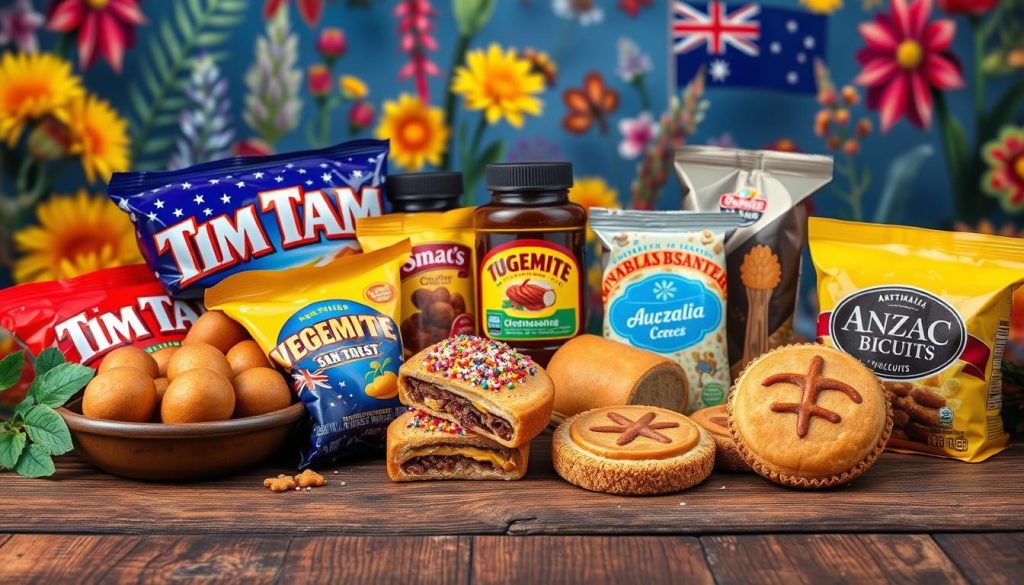
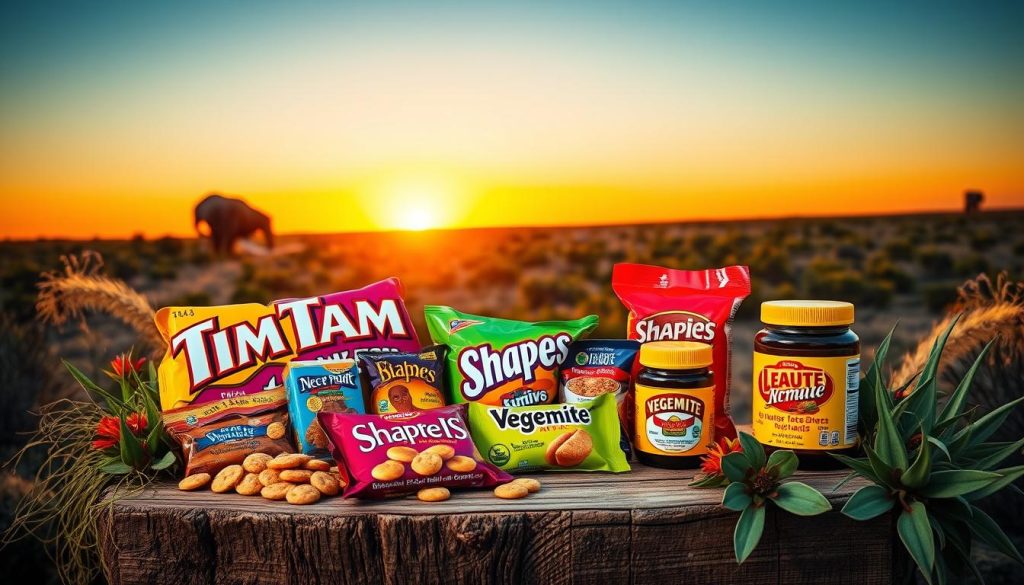
    Arnott’s Biscuits is a top name in Australian snacks. They’re famous for their Tim Tams and Shapes biscuits. These snacks are key to Australian snack brands and iconic Australian snacks.

    The story of Arnott’s biscuits began in 1865 with William Arnott in Newcastle, New South Wales. Since then, they’ve grown but kept their classic biscuits loved by many.

    Tim Tams: A Chocolate-Coated Delight

    The Tim Tam is Arnott’s star product. It’s known for its chocolate and creamy filling. Now, Tim Tams are a must-try snack in Australia and around the world, with many flavors to choose from.

    Shapes: Savory Biscuit Snacks

    Shapes biscuits are another hit from Arnott’s. They’re savory and come in flavors like cheese and spicy. These are great for snacking or parties.

    Arnott’s also makes Mint Slices, Tiny Teddies, and Iced VoVo. These iconic Australian snacks are favorites in many homes. They’ve made Arnott’s a symbol of Australian snacking.

    Australian snack brands

    “Arnott’s has become synonymous with quintessential Australian snacks, with their iconic products like Tim Tams and Shapes becoming beloved favorites across the country and beyond.”

    Refreshing Australian Treats

    Australia is known for its sunny climate and has a wide range of refreshing treats. One of these treats is the Golden Gaytime. It’s a favorite ice cream with a toffee and vanilla mix, covered in chocolate and biscuit crumbs.

    Australia is also famous for its Australian tropical fruits. You’ll find juicy mangoes and tangy passionfruit everywhere. These fruits add a burst of flavor that matches the country’s warm vibe.

    Golden Gaytime

    The Golden Gaytime ice cream has been a hit for many years. It has a creamy toffee and vanilla base. This is then covered in chocolate and crunchy biscuit crumbs, making it a treat you’ll love.

    Tropical Fruits

    Australia’s climate and land make it perfect for growing Australian tropical fruits. You can enjoy sweet mangoes and tangy passionfruit. Trying these fruits is a must when visiting Australia.

    “The flavors of Australia’s tropical fruits are a true taste of the country’s sun-soaked landscapes.”

    Fruit Flavor Profile Common Uses
    Mango Sweet, juicy, and tropical Eaten fresh, in smoothies, salsas, and desserts
    Passionfruit Tart, tangy, and aromatic Used in cocktails, desserts, and as a topping for pavlova

    Conclusion

    Australia’s food scene is full of must-try dishes for visitors. You’ll find everything from classic barbecue to unique Indigenous foods. These 15 foods are a great way to dive into Australia’s food culture and traditions.

    Craving a meat pie or a pavlova? Or maybe you want to try the “Tim Tam Slam”? Exploring these iconic foods is a key part of visiting Australia.

    Australia’s food scene is a mix of local, international, and Indigenous tastes. It’s a place where food lovers from all over the world find something special. From big cities to the outback, you’ll find a wide range of flavors and dishes.

    When you travel through Australia, take time to enjoy its rich food heritage. Learn the stories behind each dish. Dive into the vibrant tastes, textures, and traditions that make Australian cuisine stand out worldwide.

    FAQ

    What are some must-try foods when traveling in Australia?

    Australia is full of tasty and unique foods. You should try savory meat pies and creamy pavlovas. Don’t miss out on the Aussie barbecue, Chicken Parmigiana, Barramundi, and even kangaroo meat.

    What is the quintessential Aussie barbecue all about?

    The Aussie barbecue, or “barbie,” is a big deal in Australia. People love grilling meats like burgers, sausages, seafood, and more. It’s a time for friends and family to get together, enjoy grilled food, and have fun.

    What are some of the iconic Australian dishes?

    Iconic dishes in Australia include Chicken Parmigiana and Barramundi. Chicken Parmigiana is a chicken schnitzel with ham, Napoli sauce, and melted cheese. Barramundi is a large fish often grilled or barbecued.

    What are some adventurous protein options in Australian cuisine?

    For those who like to try new things, kangaroo meat is an option. It’s a lean, tasty meat used in many dishes, like steaks, burgers, and stews.

    What are some must-try Australian snack foods?

    Don’t forget to try Tim Tams and meat pies. Tim Tams are chocolate biscuits with cream inside. Meat pies are savory pies filled with minced meat, gravy, and veggies.

    What are some iconic Australian sweet treats?

    Australia is famous for sweet treats like Lamingtons and Pavlova. Lamingtons are sponge cakes covered in chocolate and coconut. Pavlova is a dessert with meringue, whipped cream, and fresh fruits.

    What are some unique Australian breakfast and brunch dishes?

    Australian breakfasts and brunches are special. Try Vegemite on toast and Fairy Bread, a favorite from childhood. It’s white bread with butter and sprinkles.

    What is a quintessential Australian coastal dish?

    Fish and chips is a classic Australian dish. It’s battered fish with fries. Enjoy it by the beach with the sound of waves and sea breeze.

    What is a unique twist on the classic Australian burger?

    The burger with beetroot is a unique Australian twist. It adds slices of roasted beet to the classic burger, making it colorful and tasty.

    What are some examples of indigenous Australian foods?

    Indigenous Australian foods are rich in tradition. Try Witchetty grubs and Damper, a simple bush bread made with flour, water, and salt.

    What is an iconic Australian dessert?

    The Cherry Ripe chocolate bar is a beloved Australian dessert. It combines sweet cherries and coconut in dark chocolate, dating back to 1924.

    What are some popular Australian snack brands?

    Arnott’s Biscuits is a famous Australian brand. They offer a wide range of biscuits, both sweet and savory, loved by many.

    What are some refreshing and unique Australian treats?

    Australia has refreshing treats like the Golden Gaytime and tropical fruits. The Golden Gaytime is a toffee and vanilla ice cream coated in chocolate. Tropical fruits like mangoes and passionfruit are also popular.

  • Australia Travel Tips: Dos and Don’ts

    Australia Travel Tips: Dos and Don’ts

    Are you planning a trip to Australia? This country, the sixth largest in the world, is safe and welcoming. It’s known for its diverse landscapes, unique wildlife, and vibrant culture. To make sure your trip is both safe and fun, it’s important to know the local customs and etiquette. This guide will give you the key “dos and don’ts” for traveling in Australia.

    Key Takeaways

    • Australia has strict road safety laws, including a 0.05% blood alcohol limit for drivers and penalties for speeding and using mobile phones while driving.
    • Tipping is generally not expected in Australia, but can be appreciated in certain situations.
    • Respect designated smoking areas and be mindful of the legal drinking age of 18 years.
    • Swim between the red and yellow flags at patrolled beaches for your safety.
    • Familiarize yourself with common Australian slang and the friendly use of the term “mate” to better communicate with the locals.

    Introduction

    Australia is a vast and diverse country. It offers travelers a mix of vibrant cities, rugged outback, and stunning natural wonders. From the famous Sydney Opera House to the majestic Uluru, Australia has a rich and diverse Australian culture. To truly enjoy and respect the local way of life, it’s key to learn about Australian customs and etiquette.

    Immersing in Australia’s Distinct Landscape

    Australia’s landscape is as varied as it is stunning. It’s almost as big as the United States. The country has everything from the sunny beaches of the east to the wild, remote outback in the center. Visitors will be amazed by the natural wonders that shape the Australian way of life. These include the Great Barrier Reef and the ancient rock formations of Uluru.

    Embracing Local Customs and Etiquette

    To have a great time in Australia, it’s important to learn about the local customs and etiquette. This means understanding the social norms, how people communicate, and the cultural details that make Australia unique. By respecting these traditions, travelers can connect with the Australian people. They’ll also appreciate the country’s rich cultural heritage more deeply.

    “Australia is not a country, it’s a continent – and it’s the only one that’s a country as well.”

    Transportation and Road Rules

    Getting around Australia and knowing the driving rules is key for a safe trip. It’s important for visitors to understand a few things about transportation.

    Driving on the Left

    In Australia, cars drive on the left side of the road. This can be a big change for those used to driving on the right. It’s important to pay attention and adjust how you drive to stay safe.

    Strict Enforcement of Speed Limits and Traffic Regulations

    Speed limits in Australia are taken seriously, with fines up to $1,078 for not wearing a seatbelt. The speed limit on main roads is usually 110 km/h, but it’s 130 km/h in the Northern Territory. In school zones, it’s just 40 km/h. Always follow all traffic laws to avoid getting fined.

    Having car insurance is a must in Australia. It helps cover costs if you cause an accident. Public transport, taxis, and rideshare services are also safe, with steps taken to protect passengers.

    Road Rule Penalty
    Texting while driving (Queensland) $1,000
    Not wearing a seatbelt Up to $1,078
    Speed limit on dual carriageways (except NT) 110 km/h
    Speed limit in school zones 40 km/h

    Australian road rules

    Learning about Australia’s road rules and transport can help visitors drive safely and confidently. This makes for a better trip.

    Dos and Don’ts when travelling in australia

    Exploring Australia’s vast and diverse landscapes means knowing the local customs and etiquette. It’s important for travelers to understand the dos and don’ts for a safe and respectful visit. By following these guidelines, you can dive into Australia’s unique culture and make lasting memories.

    Dos

    • Embrace the “laid-back” Australian lifestyle and be open to new experiences.
    • Respect the local wildlife and keep a safe distance, especially with animals like koalas.
    • Plan your road trips well, giving yourself enough time to enjoy Australia’s vastness. A trip from Sydney to Cairns or Perth to Darwin can take up to 21 days.
    • Use the gas stations on your road trips for fuel, food, and facilities in one stop.
    • Ask locals for dining and attraction tips to experience Australia authentically.
    • Use photography to capture the stunning views and make a beautiful scrapbook of your journey.

    Don’ts

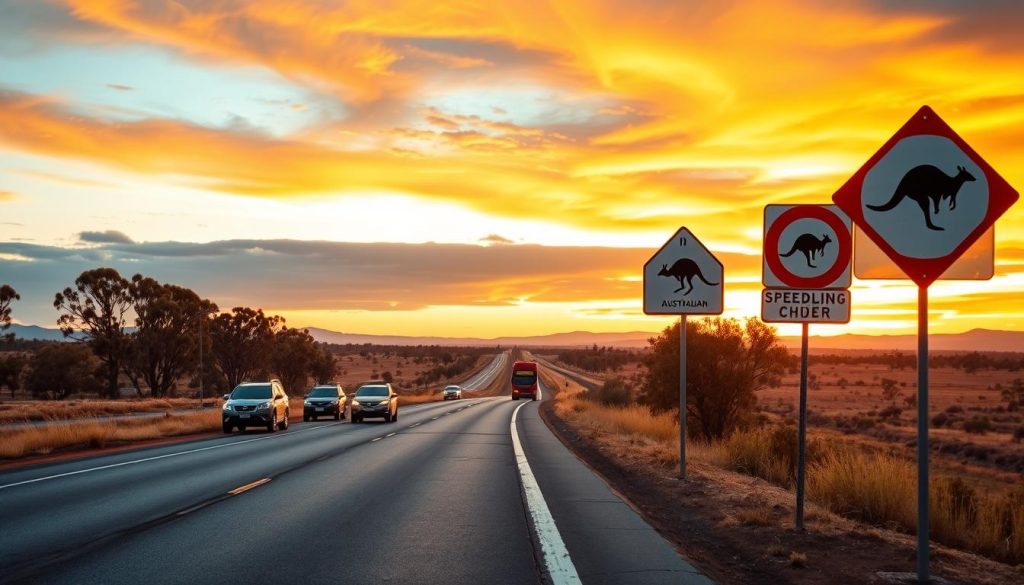
    1. Don’t drive at night because you might hit wildlife on the roads, which is dangerous.
    2. Avoid shortcuts or cutting corners while driving. Australia has only one main highway with one lane in some places, leading to heavy traffic.
    3. Never drive under the influence. Australia has strict laws against drinking and driving, and the fines are high, ranging from $50 to $150 per fine.
    4. Don’t smoke in places not designated for it. Smoking is expensive in Australia, with a packet of cigarettes costing about $40 (£22).
    5. Don’t rush your travels. It’s important to take your time to fully experience the local culture and sights.
    Statistic Value
    Average cost of a packet of cigarettes in Australia $40 (£22)
    Flight time from Brisbane to Perth Over 5 hours
    Driving time from Brisbane to Perth 3 days
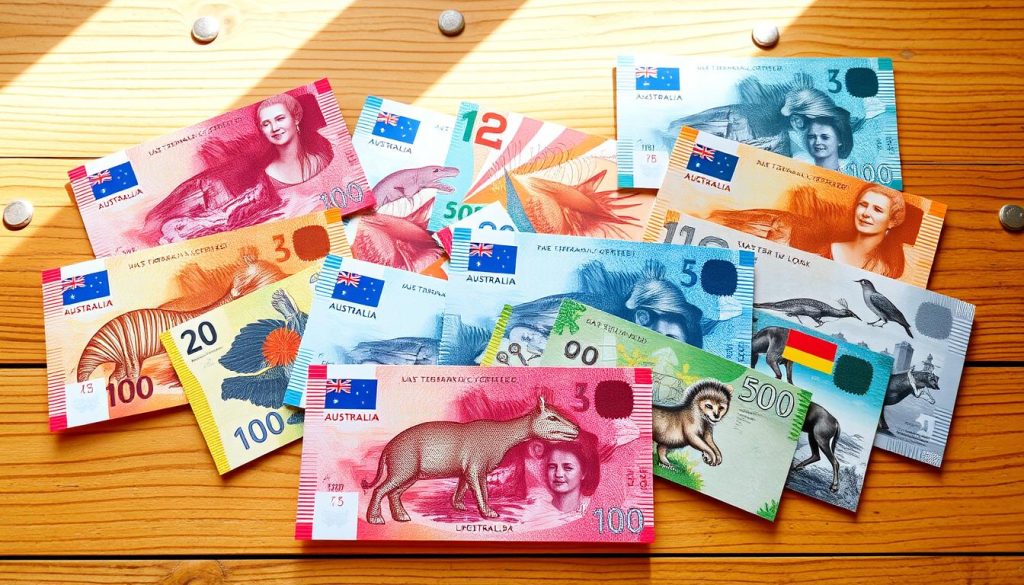
    Range of Australian currency notes $5 to $100
    Emergency number in Australia Triple Zero (000)
    Range of fines for driving offenses in Australia $50 to $150 per fine
    Recommended minimum duration for a Sydney to Cairns or Perth to Darwin road trip 21 days

    “Embrace the laid-back Australian lifestyle and be open to new experiences.”

    Tipping and Payment Etiquette

    Tipping in Australia can be different for visitors. It’s not expected here like in some other places. The country has a high minimum wage, so tips aren’t crucial for workers. Still, it’s nice to tip for great service.

    When eating out, a 10-15% tip is good for the service. So, for a $100 meal, you might tip $10 to $15. For a $10 drink, $1 to $2 is usual. Hotel staff might get 10-20%, with housekeeping around $5 to $10 per stay.

    Porters, concierges, and valets might get small tips too. These can be $1 AUD per bag to $10-15 AUD for the concierge. Taxi drivers don’t expect tips, but you might round up the fare.

    The tipping culture in Australia is changing. More people are tipping, especially for food delivery drivers. But, tips are still less expected here than in some other countries.

    Knowing about payment in Australia is also key. Cash isn’t as common as in some places. Many businesses, especially in cities, prefer electronic payments. So, having both cash and cards is a good idea for your trip.

    “Tipping is not mandatory in Australia, but it’s a great way to show your appreciation for exceptional service.”

    Understanding tipping and payment in Australia helps visitors travel smoothly. It makes sure they have a great time.

    Drinking and Smoking Regulations

    Australia has strict laws about drinking and smoking. It’s important for visitors to know these rules to avoid fines or legal trouble.

    Strict Drinking and Driving Laws

    The blood alcohol limit for driving in Australia is 0.05%. For learner and provisional drivers, it’s zero tolerance. Police often check for alcohol and drugs, and the consequences for driving under the influence are serious.

    The Australian Guidelines suggest adults should have no more than 10 standard drinks a week. No more than 4 standard drinks on any single day is recommended. Drinking more than 4 drinks in one go is binge drinking. It raises the risk of accidents, injuries, and feeling bad the next day.

    Designated Smoking Areas and Restrictions

    Smoking is limited in Australia, with special areas for smokers and many public places banning it. Smoking rates have dropped from 24% in 1991 to 8.3% in 2022. In Sydney, smoking and vaping are banned in many outdoor public spots, like near playgrounds and outside eating areas.

    Visitors should know the drinking laws Australia and smoking laws Australia. This helps them follow the alcohol regulations Australia and respect the Australian drinking culture.

    drinking and smoking regulations

    “The safest option for children and young people under 18 is not to drink any alcohol at all.”

    Beach Safety

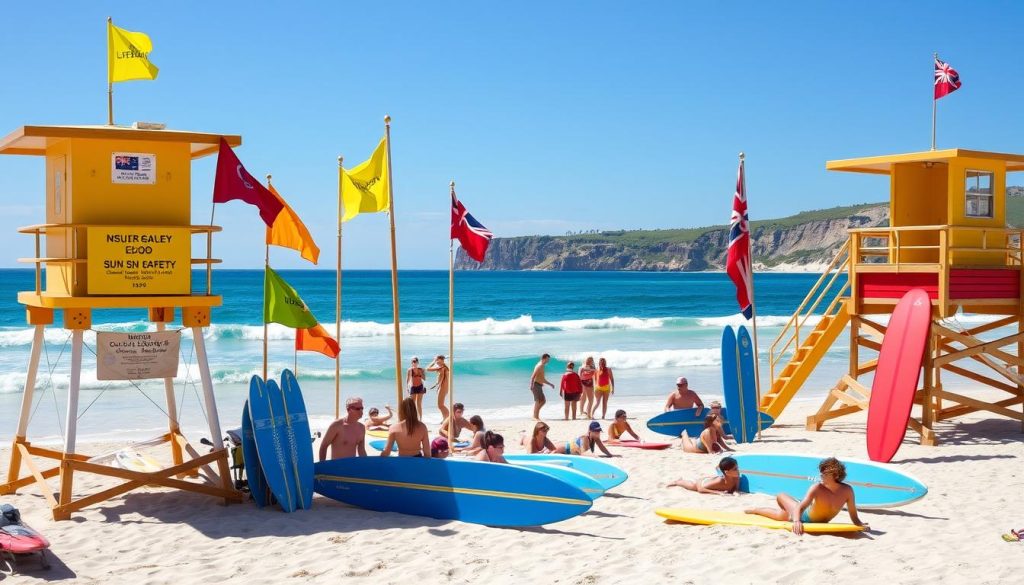
    Australia is famous for its beautiful beaches, but it’s important to stay safe while swimming. Always swim between the red and yellow flags. These flags mark the safe areas where lifeguards watch over the beach. This simple rule can help avoid the dangers of rip currents, which cause about 26 deaths each year.

    Rip currents are a big danger at Australian beaches. They can pull swimmers away from the shore quickly. By swimming in the flagged areas, you know lifeguards are there to help if you need it. Don’t swim outside these areas, as it can be very dangerous.

    Australia’s beaches also have marine life that can be harmful to swimmers. You’ll find venomous jellyfish like the box jellyfish and irukandji in the north during warm months. Always listen to lifeguards and don’t swim if these dangerous jellyfish are around.

    Threat Average Annual Impact
    Rip currents 26 drowning deaths
    Shark attacks Fewer than 10 injuries
    Venomous jellyfish Numerous stings, potentially life-threatening

    Follow beach safety tips and listen to lifeguards to enjoy Australia’s beaches safely. Always swim between the flags, know about marine dangers, and get advice from experts. This way, you can have a safe and fun beach trip.

    beach safety australia

    “Rips are more dangerous than shark attacks, with an average of 10 fatal shark bites globally each year.”

    Wildlife Encounters

    Australia is full of diverse and fascinating wildlife, from the iconic koala to dangerous species. It’s key to interact with animals responsibly. Doing so ensures a safe and fun experience for everyone.

    Respecting Koalas and Other Animals

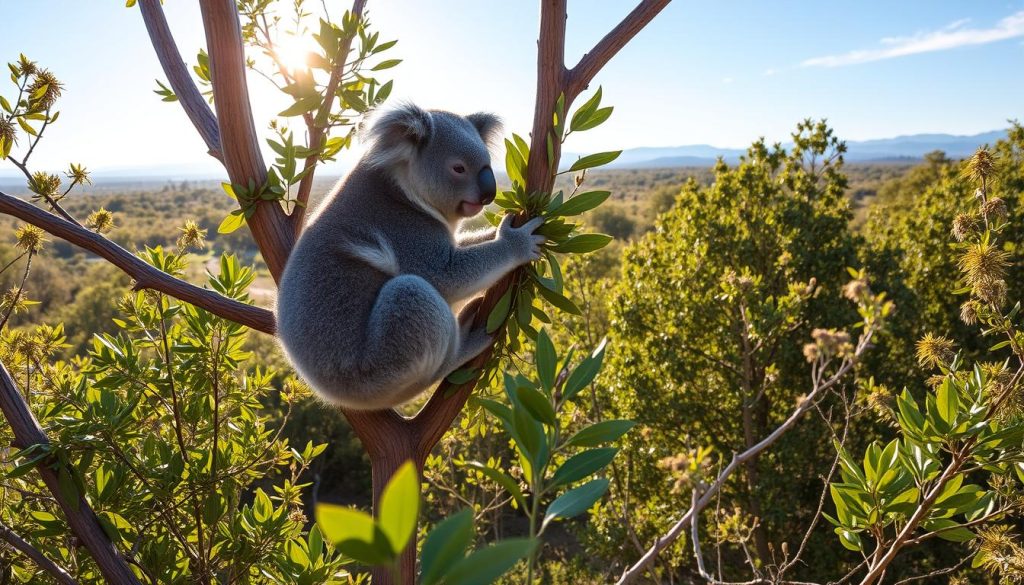
    The koala is a favorite among visitors. But, it’s important not to hold or touch them. This protects the animals. Visitors should keep a safe distance and not touch other animals like kangaroos, snakes, and crocodiles either.

    To have a safe wildlife experience, follow local rules and advice. Stay away from crowds and respect animals’ space. This helps you see animals without stressing them out.

    Ethical Dining and Souvenirs

    When eating and shopping in Australia, choose wisely. Opt for sustainable food like kangaroo, crocodile, or emu meat. This supports the local ecosystem. Also, buy souvenirs made from sustainable or recycled materials to help protect wildlife.

    “Responsible interactions with Australian wildlife not only ensure the animals’ safety but also enhance the overall travel experience. By respecting the local guidelines and making mindful choices, visitors can create lasting memories while making a positive impact on the environment.”

    Koala in Australia

    Australian Slang and Language

    Australia is famous for its unique slang, which can be tricky for visitors. Aussies shorten words and use special terms. This reflects the country’s relaxed and casual vibe.

    Common Slang Words and Phrases

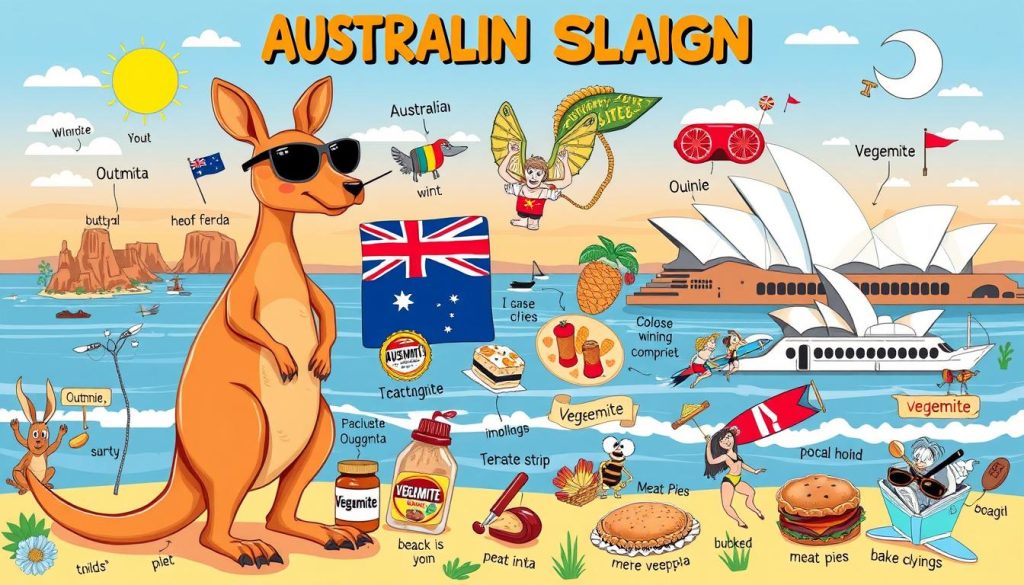
    Australians love to shorten words and add an “o” to them. For example, “brekky” means breakfast and “arvo” means afternoon. They also call flip-flops “thongs,” a service station a “servo,” and a bathroom a “dunny.”

    • Bogan: A term used to describe a particular type of person in Australia, often associated with specific characteristics.
    • Budgie smugglers: A slang term for male underpants that are recognizable in Australia.
    • Stubby holder: A neoprene sleeve used to keep beer cold, with its own unique slang terminology.

    Proper Use of the Term “Mate”

    “Mate” is a big part of Australian culture. Men can call other men “mate,” but it’s not okay for a man to call a woman that. Knowing when to use “mate” is key to getting along in Australia.

    Slang Term Meaning
    “Oh Bloody Oath!” An affirmation phrase used to confirm a statement or answer affirmatively.
    “True Blue” A term used to describe a person or object of authentic Australian origin.
    “Mad as a cut snake” A slang expression used to describe extreme anger or madness.

    Learning Australian slang can make your trip better and help you fit in. Get to know common terms and how to use “mate” right. This will make navigating Australia’s unique language easier.

    Australian slang

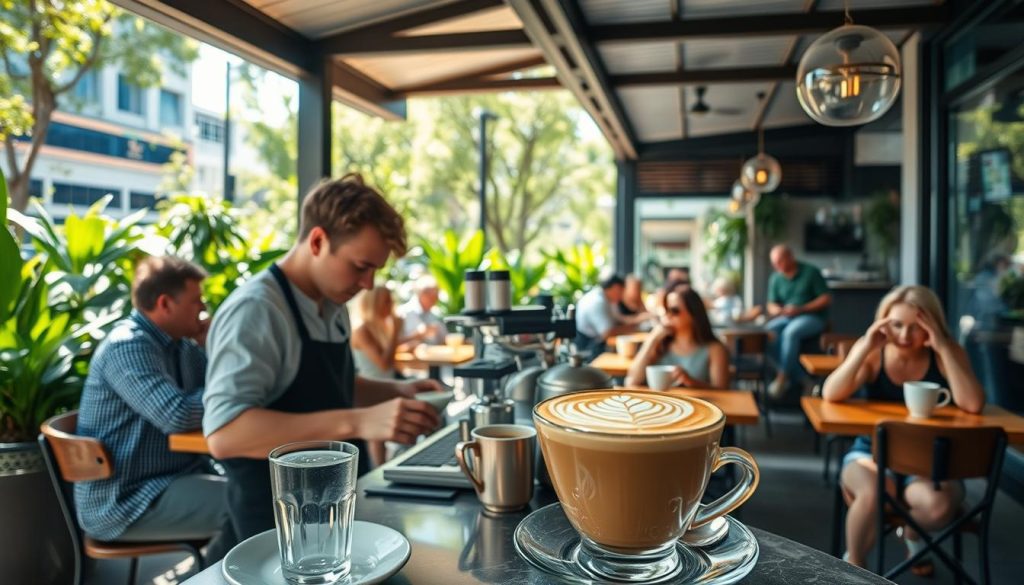
    Coffee Culture

    Australian coffee culture is known for its top-notch quality, creativity, and variety. Unlike many places where big coffee chains rule, Australians love their independent cafes and expert baristas. When you visit Australia, you’ll dive into a coffee world full of great choices.

    Melbourne is the coffee heart of Australia. It’s packed with cafes in the city center and suburbs. People in Melbourne are known for their refined coffee tastes. Baristas there often have formal training and lots of experience, making sure every cup of coffee is perfect.

    A small coffee in Melbourne costs between $3.50 to $5.00, which is a bit pricey. But the quality and skill put into each cup make it worth it. If you’re watching your budget, ask the baristas for advice. They’re eager to help you find the perfect coffee.

    Exploring different cafes is a great way to see the variety of Australian coffee. You’ll find everything from traditional espresso drinks to unique local favorites. For a budget-friendly option, check out deals on Groupon for Melbourne’s top coffee spots.

    Australian coffee culture

    “Australia arguably invented the ‘flat white’ coffee in 1985, surpassing New Zealand for this mantle.”

    The love for coffee in Australia came from European immigrants, especially from Italy and Greece, who introduced espresso and cafe culture in the 1930s and after World War II. The growth of the coffee scene in the 1980s, with the gentrification of inner-city suburbs, made it even bigger.

    If you love coffee or just want a great caffeine boost, experiencing Australian coffee culture is a must. With skilled baristas and a wide range of coffee styles, it’s a treat for your senses.

    Outdoor Activities and Clothing

    Australia’s warm climate and beautiful landscapes are perfect for outdoor fun. But, the strong UV rays can be a big risk, especially for newcomers. To stay safe and have fun, it’s key to follow the “Slip Slop Slap” sun safety campaign.

    Slip Slop Slap: Your Guide to Sun Protection

    The “Slip Slop Slap” campaign tells you to slip into a shirt, slop on sunscreen, and slap on a hat when you’re outside. This advice is simple but powerful. It helps protect you from harmful UV rays and lowers the risk of sunburn, skin damage, and skin cancer.

    • Slip on a shirt: Choose lightweight, long-sleeved clothing to cover your skin and protect it from the sun’s rays.
    • Slop on sunscreen: Apply a generous amount of broad-spectrum sunscreen with an SPF of 30 or higher, and reapply every two hours, or more frequently if swimming or sweating.
    • Slap on a hat: Wear a wide-brimmed hat to shield your face, neck, and ears from the sun.

    Following the “Slip Slop Slap” guidelines lets you enjoy outdoor activities Australia offers while keeping you safe from the sun. This means you can have fun and stay Australian sun safe and sun protected.

    Outdoor activities Australia

    “Slip, Slop, Slap – it’s the easiest way to stay sun smart and enjoy the great Australian outdoors.”

    Protecting yourself from the sun is more than just about avoiding sunburns. It’s about lowering your risk of long-term skin damage and skin cancer. So, adopt the Slip Slop Slap campaign and make it a key part of your outdoor adventures in Australia.

    Unique Australian Foods

    Australia’s food scene is a treasure trove for visitors, offering a mix of unique and local flavors. From the famous Vegemite spread to exotic options like kangaroo and crocodile, trying these foods is a key part of the experience. It’s a chance to dive into the heart of Australian food culture.

    Vegemite is a staple in Australian cuisine, a savory spread made from yeast. It might be new to some, but it’s versatile and loved by many. You can put it on toast, in sandwiches, or use it in recipes.

    Australia also offers a wide range of unique foods. Kangaroo meat is lean and packed with nutrients, becoming more popular every year. Crocodile is another unique meat that offers a distinct taste.

    Don’t miss out on the meat pie, a pastry filled with meat and gravy. Or the lamington, a sponge cake covered in chocolate and coconut. These foods are key to Australian culture and enjoyed at many events or as snacks.

    Trying these unique foods is a chance to explore Australia’s culinary world. With an open mind, you can fully appreciate the country’s food culture. It’s a way to connect with the nation’s vibrant culinary traditions.

    Australian cuisine

    Unique Australian Food Description
    Vegemite A savory yeast-based spread that has become an iconic part of Australian cuisine.
    Kangaroo Meat A lean and nutrient-rich protein that is gaining popularity in Australia.
    Crocodile An unique and flavorful alternative to traditional meats.
    Meat Pie A savory pastry filled with minced meat and gravy, a cultural staple in Australia.
    Lamington A sponge cake coated in chocolate and coconut, referred to as the “National Cake of Australia”.

    “Sampling the unique and diverse array of Australian cuisine is a must-do activity for any traveler to the country.”

    Carrying Identification

    When you visit Australia, always keep your ID ready. Clubs and pubs might ask for it to check you’re 18. A passport or other ID in Australia can prevent problems at age-restricted places.

    For identification requirements Australia, if you’re from the U.S. or Canada, bring a valid passport. If you’re a lawful U.S. permanent resident, don’t forget your passport and green card. Some countries like Australia, Japan, and the U.K. need an Electronic Travel Authorization (eTA) for flights to Australia.

    • Canadian citizens, including dual citizens, need a valid Canadian passport.
    • U.S. citizens must carry proper identification such as a valid U.S. passport.
    • Lawful permanent residents of the United States must show a valid passport from their country of nationality and a valid green card.
    • Travelers from countries like Australia, Japan, France, Germany, and the United Kingdom may need an Electronic Travel Authorization (eTA) to board their flight to Australia.
    • Visa-required travelers who must obtain a visa to come to Australia include citizens of countries such as India, China, Russia, and Brazil.

    Always keep your ID safe and easy to get to, especially at places where you need to be 18. Having the right identification requirements Australia makes your trip smooth and fun in this amazing country.

    ID in Australia

    Respecting Indigenous Culture

    Australia is home to diverse and ancient Indigenous cultures. These include the Aboriginal and Torres Strait Islander peoples. They are the original custodians of the land. Visitors should approach them with respect and a desire to learn.

    It’s important to learn about their customs and traditions. Avoid actions that could be seen as disrespectful. Always ask permission before taking photos, as some places or ceremonies are off-limits.

    Engaging with Indigenous culture Australia is rewarding. Look for ways to learn more, like joining Aboriginal-led tours or attending cultural festivals. Supporting Australian Aboriginal heritage initiatives is also a great way to help.

    Key Statistics Insights
    54% of Australians in the general community express a desire to do something to improve reconciliation, while this figure is higher among Aboriginal people, at 73%. There is a clear willingness among the broader Australian population to engage with and support Indigenous reconciliation efforts, which is even more pronounced within the Aboriginal community itself.
    Only 29% of Australians in the general community know how they can contribute to helping, compared to 44% among Aboriginal people. While there is a desire to support reconciliation, there is a need for better education and awareness on how individuals can actively contribute to these efforts, particularly among the non-Indigenous population.
    Approximately one-third of Australians are aware of Australian Aboriginal history. There is room for improvement in educating the broader Australian public about the rich and complex Australian Aboriginal heritage, which could foster greater understanding and appreciation.

    Learning from and engaging with Indigenous culture Australia helps us respect their culture more. It also helps in preserving this important part of Australia’s identity.

    Preparing for Distances and Vastness

    Traveling in Australia means facing its huge size and vastness. It’s the sixth-largest country, with big distances between cities and places. For example, driving from Sydney to Cairns takes over 27 hours.

    Knowing how big Australia is helps with planning a trip. The country has everything from lush rainforests to dry outback. Understanding these distances helps manage your time and makes the trip less stressful.

    The Vastness of Australia

    • Australia is the sixth-largest country in the world, covering an area of 2,970,000 square miles (7,692,024 square kilometers).
    • The country’s vast distances can be daunting, with a drive from Sydney to Cairns taking over 27 hours.
    • Exploring the Australian landscape can be rewarding, but it requires proper planning and an appreciation for the country’s sheer size.
    Destination Distance Travel Time
    Sydney to Melbourne 877 km (545 miles) 9 hours
    Melbourne to Adelaide 727 km (452 miles) 7.5 hours
    Adelaide to Perth 2,768 km (1,720 miles) 27 hours
    Perth to Darwin 3,279 km (2,036 miles) 34 hours

    Understanding Australia’s size and distances helps plan your trip better. Whether by car, train, or plane, being ready for the Australian landscape makes your journey memorable and fun.

    Conclusion

    Australia is a captivating place full of unique experiences for travelers. This Australia travel guide shares essential dos and don’ts. It helps visitors have a safe, respectful, and fun Australia vacation.

    It covers everything from getting around and following road rules to enjoying local customs and food. Following these tips makes any Australia travel trip better.

    Visitors can explore vibrant cities, the vast outback, or beautiful coasts. The Australia travel guide offers advice to improve the experience. It lets travelers dive into the rich culture, diverse wildlife, and stunning landscapes of Australia.

    With these Australia travel tips, adventurers can start their trip to the Land Down Under with confidence. They’ll make lasting memories and appreciate this amazing country more.

    FAQ

    What are some important dos and don’ts to keep in mind when traveling in Australia?

    Australia has its own culture and rules. It’s key for visitors to learn about these. This includes knowing how to get around, tipping, drinking and smoking laws, beach safety, and Aussie slang.

    How does driving in Australia differ from other countries?

    Australians drive on the left side, which can be new for many. Speed limits and traffic rules are strict, with big fines for breaking them. It’s important to learn the local driving laws to stay safe.

    Is tipping expected in Australia?

    Tipping isn’t a must in Australia. The country has a high minimum wage, so tips aren’t needed for workers. But, tipping is nice for great service, even though it’s not expected.

    What are the regulations around drinking and smoking in Australia?

    Drinking and driving is a big no in Australia, with a strict blood alcohol limit. Smoking is also limited, with special areas for smokers and many places banning it.

    How can visitors stay safe at Australian beaches?

    Always swim between the red and yellow flags at the beach. This is where lifeguards keep an eye on the water. Australia’s beaches can have strong currents that pull you away from shore.

    What should visitors know about encountering wildlife in Australia?

    Australia is full of unique animals, from koalas to more dangerous ones. It’s important to know the rules for meeting animals, like not touching koalas in some places.

    How can visitors navigate the use of Australian slang and language?

    Australians love their slang and colloquialisms. Getting to know common terms and how to use them can help visitors communicate better and avoid confusion.

    What should visitors know about the coffee culture in Australia?

    Australia is famous for its coffee culture. Visitors will find many high-quality coffee options, from espresso drinks to unique local flavors.

    How can visitors protect themselves from the sun in Australia?

    The sun in Australia can be strong. To stay safe, follow the “Slip Slop Slap” advice: wear a shirt, apply sunscreen, and use a hat when outside.

    What are some unique Australian foods that visitors should try?

    Australia offers a wide range of foods, from Vegemite to kangaroo and crocodile. Trying these unique foods is a great way to experience the local culture.

    What forms of identification are required in Australia?

    Young travelers to Australia should always carry ID. Many places, like clubs and pubs, check ID to make sure you’re over 18 to drink.

    How can visitors respectfully engage with Australia’s Indigenous cultures?

    Respecting Australia’s Indigenous cultures is important. This includes being sensitive and acknowledging their deep connection to the land.

    What should travelers know about the scale and vastness of Australia?

    Australia is huge, with big distances between places. Planning is key when traveling long distances, like the 27-hour drive from Sydney to Cairns.

  • Australian Meals and Customs

    MEALS AND CUSTOMS

    There are no particular rituals associated with meals in Australia. The three-meals-a-day pattern is prevalent, with morning and afternoon breaks usually consisting of tea or beer with a small snack. The Australian woman taking her lunch at home will eat sparsely; the working person will have an inexpensive hot plate of mince, potato, and peas, or a meat pie with beer. Most children eat their lunches at school, buying it at the tuck shop or cafeteria, and have a choice of cold but satisfying foods such as meat pies, sausage rolls, buns, salads, sweets, drinks, and potato chips. The evening meal at home will usually consist of meat and vegetables, potatoes, or bread. Potatoes are expensive and not as widely available as in North America. Pastries or fruit or simple puddings will he the dessert.

    Avid outdoor people, Australians love any excuse for a picnic (the races, any races) or barbecue. Simple barbecued meats or fresh fish, vegetables, fruits, and perhaps biscuits and cakes, together with a good supply of beer spell good times and a festive occasion.

    Many people still working in the isolated out-back regions prefer to cook in bush ovens. A hole is dug in the ground and lined with hot coals. A special heavy, covered cooking pot is placed on the coals, covered with more coals, and finally heaped with earth. Although simple in principle, this method requires great skill, and for those who know how to do it, anything from meats and stews to cakes and breads can be cooked this way.

    Aside from going to small casual restaurants and local bars to enjoy beer with friends, Australians are not generally keen about eating out. Tourists to Australia are often disappointed by what they consider to he mediocre hotel and restaurant standards. It is not that the Australians in any way lack hospitality, it is rather that they lack the ability to be servile. To the Australian, even his boss is his “mate,” tip-ping is disliked because of its servile connotation, and Australians take great personal pride in the fact that theirs is a “classless society.” It is most unfortunate that this pride of independence and love of equality is too often misconstrued as arrogance.

  • Glossary of Foods and Food Terms in Australia

    GLOSSARY OF FOODS AND FOOD TERMS

    Anzac Crispies: crisp oatmeal cookies. Beetroot: common name for beets.

    Biscuits: common name for cookies, many of which are also known as Kiwi Crisps, Maori Kisses, Hokey Pokey Biscuits, Moomba Fingers, and so on.

    Brawn: a jelled mix of cooked cubed beef, veal, and pork.

    Capsicums: common name for red and green sweet peppers.

    Castor Sugar: finely granulated white sugar.

    Chiko Rolls: snack food similar to small Chinese egg rolls.

    Chooki: chicken.

    Cofa: solidified block of coconut oil used mainly in desserts.

    Cream Sponge: a light sponge cake, split and filled with whipped cream and fresh fruit.

    Cumquats: a variety of tiny oranges, sour in taste and used especially in sugary preserves.

    Damper: quick bread, mixed with a knife, and made with self-rising flour and milk or water. It may be baked in the oven or directly on coals (the outer crust would then be scraped off and discarded).

    Egg and Bacon Pie: a quick luncheon or supper dish prepared by lining a piecrust with bacon strips, then breaking in the desired number of eggs, and finally topping with an egg/milk-glazed pastry, and baking till set.

    Floater: a meat pie served floating in soup – usually pea soup.

    Goanna: large fatty lizard, often eaten grilled.

    Granny Smith: a variety of apple, bright green and crisp.

    Hogget (or Two-Tooth): name given to sheep from nine to twenty months old, having passed the lamb stage but not yet matured.

    Kabobs: meats that are sliced or cubed and threaded on skewers for barbecuing or broiling.

    Kromeskies: mixture of diced cooked meats and seasonings, wrapped in bacon then dipped in fritter batter and deep-fried. These are served as appetizers and eaten dipped into tomato sauce (ketchup).

    Kumera: sweet potatoes or yams.

    Lamington Cake: butter cake, usually frosted with chocolate icing and coated with shredded coconut.

    Mince: ground meat, usually beef. This term may also refer to any finely chopped mixture.

    Molehill: a dessert of almond-filled prunes coated and mounded with a light mixture of gelatin, whipped eggs, and whipped cream, then topped with grated chocolate.

    Muesli: dry breakfast cereal of Swiss origin made of toasted oats, nuts, and dried fruits and served dry or with milk. This mixture is also used in the preparation of many breads and biscuits.

    Mutton: lamb that is more than two years old that has dark red flesh with hard white fat. Young mutton is twenty months to two years old.

    Pavlova: a delicately baked meringue of egg whites and sugar topped with whipped cream and fresh seasonal fruits. Considered to be the Australian national dessert.

    Pikelets: a quickly made mix of eggs, milk, self-rising flour, and sugar, similar to pancakes. The mixture is dropped by spoonfuls on a hot griddle and browned on both sides. They are eaten as a cool dessert.

    Tomato Sauce: ketchup. Sago: tapioca.

    Spaetzli: small drops of soft dough either poached or fried before adding to soups.

    Sucker: a very young spring lamb, less than nine months old.

    Tohero: a shellfish with a distinctive green color.

    Trifle: dessert of English origin prepared by layering fingers of plain cake with custard sauce and fruit then garnishing with whipped cream, glaceed cherries, and nuts.

    Vegemite: a favorite Australian spread, brown in color and yeasty in taste. Said to be highly nutritious, it is as popular with Australians as peanut butter is with North Americans.

    Wholemeal: Australian term for wholegrain (whole-wheat) flour.


  • Australian Food and Culture

    Food and Culture in Australia

    On the largest island and the smallest continent in the world more than 18 million people make their home among unusual flora and fauna and some of the most unique animals in the world: the kangaroo, the dingo (a howling, doglike night hunter), the koala bear, and the platypus. One of the driest and most sparsely populated continents, Australia is mostly tropical in the north (Queensland) and temperate in the south (Victoria, New South Wales). More than half of the population live in cities and these are located in the irrigated and fertile coastal regions of the east, south-east, and southwest. For the most part, the vast interior of plateaus and eroded mountains – the out-back – is all but uninhabited, with many areas remaining untouched and primitive.

    Who are the Australians? It is believed that Australian Aborigines were the first settlers, arriving more than 40,000 years ago from Southeast Asia and evolving their culture in comparative isolation. By the early 1600s, seafaring Europeans arrived. Because of the gradual decline in Aboriginal population due to disease, loss of land, and faltering fertility, the colonials assumed they would soon disappear. On the contrary, the descendants of the early Aborigines are very much a vital, though small, part of the present Australian population.

    Many of the great seafaring nations were probably aware of this great land mass in the South Seas, but it remained for Captain Arthur Philip, of the Royal British Navy, to unfurl the British flag at Sydney Cove on January 26, 1788. To this day, this is celebrated as Australia Day. By the 1800s, almost 5,000 white male prisoners and their guards formed a colony at Sydney, joining the first 700 convicts who had been unloaded from Captain Philip’s ship on that fateful day. They may have been the first “citizens” of the “land down under,” but it is estimated that more than 35,000 years ago, the ancestors of the present Melanesians and Australian Aborigines had already been living there in their own neo–Stone Age society. In the ensuing years, with allegiance to Britain, Australia’s own parliament attempted to unite the population, but it took the First World War to weld the fiercely individual and independent population into a nation.

    Unification finally occurred because of the strong link to Great Britain but also because the pressures of war caused shortages of essential goods. Self-sufficiency became an urgent necessity. Improvements in agriculture, mining production, and the development of new industries not only helped on the home front but set up Australia as an exporter to world markets. Iron ore, coal, and wool, as well as meats, wheat, and sugar became vital economic commodities.

    Since the First World War increasingly diversified ethnic immigration add vitality to Australian lifestyles and generated heated debate in the country over the future of its preponderantly Caucasian population. Pride in “Aboriginality” enhanced growth in the indigenous population, Asian-born Australians increased their presence, and refugees and displaced persons from many lands all added to the population by the late 1980s.

    Up to the Second World War, Australia’s population was more than 99 percent of British origin. Following the war, many of the displaced and war-weary of Europe migrated to Australia. These people included Italians, Dutch, Poles, Germans, Yugoslavians, Greeks, Ukrainians, and Latvians. These, then, are the Australians. Given this diversity, it is not surprising to find that one of the largest Australian cookbooks, Australian and New Zealand Complete Book of Cookery, should turn out to be a study of international cookery. Many writers then claimed that Australia lacked a distinctive cuisine, regional cooking styles, or even any great national dishes. Nonetheless, the combination of a wealth of seafood, good inexpensive lamb, delicious fruits, and the inspiration and ingenuity of immigrants long immersed in their own traditional cuisines, has now been recognized as a distinctive evolving Australian cuisine.

    In fact, a current report on Australian food customs states: “Australians have thrown off the British yoke of pub grub and have embraced the great bounty from their own seas along with home-grown fruit and vegetables and the spices of Asia.” The nostril-tweaking scents of Asian spices, the hot delight of chilies, the surprising pleasure of finger foods and dipping sauces are to be found not just in restaurants but on Australian tables everywhere. The palate-tantalizing flavors of Indonesia, Malaysia, India, and Vietnam, brought to Australia by travelers and immigrants, have found a new home and are creating a new tradition of fusion cuisine that is startlingly original, memorable and delicious.

    Australian wines have long been making their presence appreciated in world markets, but more recently, visitors to the land down under are bringing back delicious accounts of bush tucker. The basic wilderness foods of the Aboriginals are gaining in popularity and sophisticated preparation. These include herbs like mountain pepper, watercress oil, and wattleseed (with a “coffee-hazelnut flavor”) as well as rabbit, kangaroo, wallaby, crocodile, emu, and bunya nuts. Many fruits and vegetables unknown to most of the world await discovery. Examples of these include: greens called warrigal, lemon aspin that looks like a little pumpkin and tastes like citrus fruit, munthari berries with their apple-like taste, and tiny kakadu plums, their size belying their prodigious vitamin C content.

  • Australian Food

    DAIRY PRODUCTS

    Fresh whole milk is used in quantity by most Australian families: children drink milk at most meals and adults enjoy milk in puddings, soups, custards, and tea. Skim milk, 2 percent (partially skimmed) milk, and cottage cheese are not widely accepted, nor is skim milk powder. Cheeses are not a usual part of the Australian food and dietary pattern and usually are only used in specialty dishes that call for cheese as an ingredient. There is a small but noticeable increase in the popularity of yogurt.

    FRUITS AND VEGETABLES

    Although there is a great variety of Australian food, the variety is mainly seasonal and local. There is even little importing of produce from one state to the other. Part of the reason may be storage and transportation facilities; frequently January floods affect supplies and cause price increases in Australian food.

    Fruits available include passion fruit, pineapples, pawpaws, many forms of coconut, fresh figs, guavas, melons, chokos, tamarillos, mangoes, mulberries, loganberries, lichees, cumquats (Australian spelling), kiwi fruit, feijoas (plums), and a range of citrus fruits. Exotic tropical fruits available are: persimmons, avocados, custard apples, monsteria delicio. Australia is also rightly famed for its fine-quality dried fruits; Australian raisins and currants are widely exported. Other popularly consumed dried fruits include peach-es, apricots, pears, figs, prunes, and apples. Australians prefer to eat fruits that require minimum preparation, and more dried fruits are commonly eaten as snacks and desserts than in North America. A favorite accompaniment to a barbecued dinner of steak or chops is a large mixed salad that combines fruits and vegetables.

    As with fruits, Australians prefer their vegetables with a minimum of “fixing”; not for them mysterious mixtures of creamed or sauced vegetables. Some Australian food and vegetables are called by names different than those used in North America: beets are commonly called beetroots; capsicums refer to green or red peppers. Australian “pumpkin” is unlike the pumpkin found in North America, as it is a dark green vegetable with the shape and appearance of the familiar American pumpkin but a flavor and texture resembling that of carrots.

    MEATS AND ALTERNATES

    Beef in the form of steaks and roasts heads the popularity list on the Australian food. Next come other cuts of beef, lamb, veal, and offal. Pork and poultry are not used with any regularity. Roasting, quick-frying, or barbecuing are the usual methods of meat cookery. Other meats used only occasionally include duck, goose, turkey, wild duck, crocodile, camel, marinated kangaroo meat, partridge, pheasant, venison, and wild pork. A famed dish is carpetbaggers steak: a thick steak that is split, stuffed with raw oysters, and broiled or barbecued.

    There is no shortage of fish and seafood and there is wide variety: oysters, scallops, mussels, tohero (a shellfish with a distinctively green color), trout, salmon, red snapper, mulloway, hapuka, whitebait, tarahiki, gurnard, flounder, and bream. Following the Australian’s preference for simple Australian food, fish is served fresh and prepared in a simple way by poaching, baking, frying, or grilling.

    Legumes are used only in specialty dishes, but a growing vegetarian community is using legumes and soybean products extensively.

    Finally, it must he noted that steak and eggs really are a classic favorite and considered the perfect breakfast, lunch, or supper and even — for heartier Aussies – a snack.

    BREADS AND GRAINS

    In home baking there is a definite preference for the use of self-raising flour, that is, flour containing a proportionate amount of salt and leavening agent. Fresh breads are usually purchased daily for meals and for teatime. Wheat flour is the staple but cornstarch is used in thickening desserts and sauces. Wholegrain wheat flour is called wholemeal. More recently, the Swiss breakfast favorite muesli, a blend of toasted oats, dried fruits, and nuts eaten with milk, has gained some popularity. Australians do not favor pancakes or waffles and seldom use sweetened breakfast cereals, although pikelets similar to pancakes are considered a dessert in the Australian food.

    FATS

    Margarine is the most widely used fat, and although generally priced the same as butter, many seem to prefer its flavor. Cofa is a solidified coconut oil used in making desserts.

    SWEETS AND SNACKS

    Dried fruits are popular snacks and Health Food Bars, made from nuts, sesame seeds, dried fruits, and honey are enjoyed by all ages. Fresh fruit is eaten as a snack in season.

    SEASONINGS

    Not for the Australian any complex form of seasoning. Cookery, service, and seasonings are all simple and basic. Salt and pepper and onions are the staples, for Australians have a strong preference for Australian food that “taste natural.” Chutneys, pickles, and piquant sauces are often served with meals.

    BEVERAGES

    Australian wine is inexpensive, of excellent quality, and widely used. Local quality beer is the preferred beverage for most men and Foster’s is the brand everyone knows; women enjoy frequent cups of tea daily; children prefer fresh whole milk but often have tea or coffee. Fruit cordials are popular, especially in hot weather. Strong spirits, cola drinks, and coffee are not as popular.

  • Domestic Life and Special Occasions in Australia

    DOMESTIC LIFE

    Australian kitchens are similar to those in North America, though smaller and probably boasting fewer appliances and gadgets. Electricity is favored over gas as a cooking fuel, but outdoor picnics and barbecues are frequent and preferred because of the pleasant climate. Home freezers are not yet common, so there are few frozen products available to the consumer. Ranges, refrigerators, and dishwashers are common, as are most of the small practical kitchen appliances familiar in North America. Most popular is the “hot water jug”: available in different sizes, this small appliance heats water quickly to the boiling point – practical in a land where frequent cups of tea are the daily rule.

    FOODS COMMONLY USED

    The staples of the Australian diet can be described as “steak and eggs”, and the preference for simple solid food shows up on the spice shelf too: salt and pepper and a few spices for baking. But inroads are being made in introducing “health foods” such as whole grains and yogurt, and the preparation of more vegetables and the use of skim milk powder is becoming more widespread. Price rises in fresh beef will also encourage the use of other meats and meat alternates. Women favor tea, men enjoy beer, and children drink milk at most meals.

    SPECIAL OCCASIONS

    Freedom of worship prevails in Australia. There are many Protestant and Roman Catholic groups, and about one-third of the population belongs to the Church of England. Since Christmas occurs in the Australian summer, a typical dinner of salads and cold meats, with an ice cream cake or pudding for dessert, is common. Special occasions such as Race Days, or local sports events, are celebrated with picnics, barbecues, and plentiful beer.

    Anzac Day, April 25, commemorates Australian soldiers who died in the First World War. The day is marked by a parade of “old diggers” (soldiers) and beer parties. Australia Day, on January 26, is marked by parties featuring barbecues of beef or lamb, salads, and the favorite dessert, pavlova: a whipped cream, meringue, and tropical-fruit confection.