Blog

  • Scottish Foods

    FOODS IN SCOTLAND

    DAIRY PRODUCTS

    Milk, cream, and butter are widely and generously used. Cheeses in great variety are assuming increasing importance in the Scottish diet. Some types commonly used:

    • Caboc: a log-shaped, soft, buttery cheese rolled in fine oatmeal and traditionally served with Baps.
    • Caithness: a soft cheese aged sixty days.
    • Hattit Kit: the Scottish version of cream cheese, often molded and served with fresh fruits and cream (French-food bulls will note its similarity to Coeur a la
    • Creme, a classic French dessert prepared from a blend of cream cheese and cottage cheese pressed into a heart-shaped basket to drain off the whey. Un-molded, it is served with sugared fresh berries.)
    • Raasey Cheese: a thick, cooked mixture of milk, eggs, and cheese served on toast.
    • Rarebit: a thick sauce of melted cheese with beer or ale, seasoned with mustard and served on toast.

    FRUITS AND VEGETABLES

    Fresh fruits and vegetables are usually served in season and are often prepared with milk, butter, or cream. Staples for winter use include kale, seaweed, cabbage, and potatoes. Canned peas are often used as a garnish. Fruits are consumed as preserves, sweetened desserts, or in baked goods. Scots by tradition are not large vegetable eaters nor do they usually consume any great quantity of fresh vegetables or green fresh salads. Typical fruits include apples, plums, and many types of berries. To the staple vegetables listed above may be added turnips (neeps), leeks, onions, tomatoes, and parsnips.

    MEATS AND ALTERNATES

    Fish and, more recently beef are the favored protein foods. Extended practical use of offal (heart, liver, kidneys, tripe, etc.) and economical cuts of meat are prepared simply. Usual methods of cooking include meaty soups, stews, or meat pies and broths. When the budget permits, beef, veal, and mutton are used most, with chicken and pork products less. The exception is bacon which is used often, and frequently lends its smoky taste to many economical dishes or light suppers. In some areas wild fowl and game are used. Fish is preferred over other seafood. Favored fish include salmon, trout, cod, haddock, kippers, and herring. There is some consumption of mussels, oysters, crab, winkles, and shrimp.

    Eggs are mostly used as an ingredient in other dishes or prepared as a light supper. Legumes are used only occasionally in some soups.

    BREADS AND GRAINS

    Oatmeal is no longer the leading item in the Scottish diet. Nonetheless it is still the most important grain cereal used. Some of its ingenious variations include its use as a thickening and coating agent: as a breakfast cereal; toasted, baked, griddled, boiled or fried: as part of soups, beverages, desserts, dumplings, cookies, and meat mixtures. Scottish oatmeal is used in the fine ground form rather than as rolled flakes.

    Each Scottish cook takes pride in the authenticity of traditional family recipes for breads, cakes, biscuits, and shortbreads. Most are made from wheat flour, very few use yeast as a leavening agent, and all are characterized by the delicate natural taste and aroma of fresh eggs and butter.

    FATS

    Butter, margarine, lard, and suet prevail as the favored fats in cooking and baking. Oil is seldom used. Fats are also consumed in the form of buttery cheese and cream.

    SWEETS AND SNACKS

    Candies, especially butterscotch, taffy, and hard sugar candies are frequent treats, found in many pockets and often used to reward children. Jellies, jams, marmalades, and preserves such as fruit butters are on the table daily. Quick tea breads, plain un-iced cakes and crisp plain cookies (biscuits) are consumed in large enough quantities to form a significant part of the diet. Scottish shortbread is enjoyed in many countries and not only by Scots.

    SEASONINGS

    The Scottish spice shelf is one of the smallest in the world. Salt and pepper are used but seldom are other spices or any herbs called for. Onions add zest to many dishes, and butter and oats are used with such frequency that they could also be considered to be typical flavors. Ginger is the spice most used in baking, if at all. The pure natural taste of fresh ingredients is preferred to the addition of any spices or herbs or anything that may mask them.

    BEVERAGES

    It has been said that Scotch whiskey is the staple beverage of Scotland, and there’s scarcely an individual who won’t stoutly defend the attributes of a favorite brand. But a fair amount of beer and some imported wines are also consumed.

    Tea is the beverage for breakfast and for a refreshing break. This is usually accompanied by at least a few of the famed tea breads and cakes for it wouldn’t do to have tea alone. At its simplest, tea will at least be accompanied by bread, butter, and preserves.

  • Scottish Food and Culture

    FOOD AND CULTURE OF SCOTLAND

    A small, rocky country of streams and lakes, with a moderately cool climate, and proud, vigorous inhabitants, Scotland is also known for short-bread, marmalade, and Scotch whisky. Though about 5 million folk make their homes in the Highlands, Lowlands, and Uplands, it could almost be said that one of Scotland’s principal exports is people: an estimated 20 million Scots have emigrated to other countries.

    They have carried with them their kilts and their pipes, their brogue and their oats to whatever wee corner of the world they decided to call home. And several times a year they gather for their Scottish Games – a day of Highland flings and sword dancing, tug-of-war and the flinging of the mighty caber all to the stirring wail of the kilted bands. Always, Scottish souls are stirred by the foot-tapping rhythms, and Scottish eyes mist as “Scotland the Brave” fills the air. And though they may be heard to call themselves “Scotch and proud of it,” they’d rather you refer to them as Scots and their fine smoky whisky as Scotch.

    Early accounts show a predominance of oats, barley and dairy products as the mainstay of both urban and rural diets in Scotland. Although sheep and black Angus cattle were raised, they were mainly for export rather than local consumption. The general porridge and milk diet was supplemented with kale or cabbage. Small amounts of fish were used in coastal areas and occasionally some meats in the interior.

    By the 1800s, the rapid growth of urban areas in Scotland became the impetus for agricultural improvement and diversification. There was a sharp increase in the use of wheat bread, meats in broths and stews, and wider acceptance and use of potatoes. This soon made barley and oats a minor part of the daily fare except in the more remote agricultural settlements where economic factors still limited the variety of the diet.

    Although people generally ate what was available and what they could afford, good food simply prepared is still the keynote in Scotland. Scots have never been keen on seasonings, sauces, or exotic mixtures of foods.

    The earliest influences on the Celtic and Gaelic traditions of Scotland were English. But English influence gradually threatened to become English control. In 1295, John de Baliol, King of Scotland, formed an alliance with France, making England the common foe. This alliance lasted several hundred years and through many successions of kings. To this clay many Gaelic food names can be traced from the original French name: flam from flan; tartan purry from tarten-puree; kickshaw, quelque chose; stovies, a l’etuvee; and jigget, gigot.

    Scottish food retains the individuality of its people. To this day Scottish foods preserve their simplicity while retaining the most delightfully endearing names – even if some of the sources are long forgotten.

  • Russian Food Glossary

    FOOD GLOSSARY IN RUSSIA AND FOOD TERMS

    Beef Stroganoff: thin slivers of beef in a rich sour cream sauce lightly seasoned with hot mustard. Addition of tomato puree and mushrooms are North American adaptations.

    Bitky: toothpick appetizer of tiny seasoned meatballs.

    Blinchiky: small, thin pancakes usually served with jam for dessert. Diminutive of Blini.

    Blini: round pancakes traditionally made with yeast and buckwheat flour. These are an ancient Slav symbol for the sun and are served in great quantities during the springtime pre-Lenten festival called Maslyanitsa. They are eaten with a generous quantity of melted butter plus sour cream, preserves, fish, etc.

    Borsch: a classic Slavic soup originating in Ukraine. Usually prepared with a meat broth, beets, and other vegetables and served with a spoonful of sour cream. It can also be a clear sweet and sour beet broth. Sugar adds sweetness and the brine from saurkraut or pickles provides the sour balance.

    Chalop: an Uzbek hot-weather soup of diced fresh vegetables and sour milk topped with chopped fresh herbs. Often served chilled and with an ice cube.

    Chicken Kiev: Ukrainian dish consisting of butter-filled breast of chicken, crumbed and crisply browned.

    Ditch: name used for any game meat.

    Forshmak: general name for warm appetizers hut usually referring to a baked casserole of potatoes, onions, apples and herring or ham blended with sour cream.

    Galubtzi or Golubtsi: cabbage rolls filled with meat (beef and pork) and baked with a thin sauce of sour cream. There are many variations.

    Grusheviikvas: alcoholic beverage made from pears.

    Hvorost: traditional cookies for Christmas. They are shaped like branches.

    Ikra: Caviar. This name is also used sometimes for chopped, seasoned, and cooked eggplant, “the poor man’s caviar.”

    Kaimek: “baked” milk. Milk is heated slowly in a low oven for several hours until a thick skin forms.

    Kapusta: cabbage.

    Kasha: the name used to refer to cooked grain. It most often means cooked buckwheat groats. Others include: Mannaia Kasha, semolina; Ovsjanaia Kasha, oats; and Risovaia Kasha, rice. Although always referred to simply as Kasha, the full correct name for a buckwheat variety is Grechnevaia Kasha. The Russians have a saying: “One cannot spoil Kasha with too much butter.”

    Keshka: a winter dish of thick porridge pureed with meat and served in a soup plate with butter and cumin.

    Keufta: meatballs.

    Khazan Pirog: a thick Tatar chicken pie served by placing a wedge in a soup plate and pouring hot chicken stock over it.

    Kisel or Kissel: pureed cooked fruit that is thickened slightly with cornstarch or potato starch and served chilled.

    Kopchenaya Senga: smoked salmon.

    Kotletki: Russian meatballs made of finely ground beef, seasonings, and shaped into rounded ovals, crumbed and butter-fried. Diminutive of Kotleti.

    Krendel: the traditional pretzel-shaped sweet yeast bread for Christmas, dotted with fruits and lightly iced.

    Krupenik: Russian barley and mushroom soup based on broth and served with sour cream.

    Kulebiaka: rich flaky pastry filled with a mixture of salmon, cabbage, and crepes then rolled up and baked. It is served hot or cold in thick slices, with the addition of extra butter and the inevitable sour cream.

    Kulitch: the towering delicate yeast-leavened fruit cake, blessed by the priest and served with Pascha for Easter.

    Kumiss or Koumiss: considered the oldest of Russian beverages and one cloaked in legendary attributes. Still a favored drink in the Kirghiz region. Kumiss is made from fermented mare’s milk prepared in wooden tubs or horse skins.

    Kutija: ancient Slavic dish of cooked grain, sugar, honey, raisins, and nuts usually prepared especially for Christmas Eve and also served to mourners at a funeral. In the south, rice replaces the whole grains of wheat used in most other areas of the Russian Federation.

    Kvaschenaya Kapusta: sauerkraut.

    Kvass: the ‘great drink of the Russian peasants,” a fermented but non-alcoholic drink made from water, black bread, sugar, and yeast; repeated soakings and pouring off of the liquid yield Kvass.

    Kyurdyuk: the fat rendered from fat-tailed sheep; used in cooking and as a final hint of flavor.

    Lapsha: noodles. May also refer to a soup of milk and noodles.

    Lox: uncooked fresh salmon that is cured by salting and/or smoking. It is served in very thin cross-grain slices as part of the zakusky. Adapted from Scandinavian influence.

    Malinovoi: alcoholic drink made from raspberries.

    Mazurka: a rich cake of fruit and nuts baked especially for Christmas. Of Polish origin.

    Med: a beverage of honey and diluted wine similar to mead.

    Okroshka: A cold soup of chopped fresh vegetables laced with either sour milk, buttermilk, or sour cream. Similar to Chalop and the Spanish Gazpacho.

    Oladky: fluffy pancakes made with separated eggs, sieved cottage cheese and flour and fried in butter. Served with sugar and sour cream.

    Ouha, Oukha, or Ooha: the classic clear Russian fish broth served with minced chives and lemon. The poached fish is served separately.

    Pascha: creamed line cottage cheese, eggs, and minced fruits combined and pressed into a special cheesecloth-lined mold. Unmolded, this delicious cream is served for Easter accompanied with slices of Kulitch.

    Pashtet or Paschtet: a rich paste (pate) of chicken livers, browned onions, and butter smoothly ground or pureed together. Eaten as part of the Zakusky.

    Paramach: Tatar-originated pastry of a five-inch dough circle spread with filling, pinched up, and deep-fried. Salad completes the meal.

    Pelmeni: Siberian half-moon-shaped dumplings of noodle dough usually filled with meat. Customarily these are prepared in huge batches and frozen by hanging outdoors on strings. Dropped into a boiling soup or water, they are often taken by travelers as “instant food.

    Pirog or Pirogi: a flaky envelope of dough that can he filled with almost anything. This turnover is usually made large enough to feed six. The largest version is called Kulebiaka, while the smallest is called by the diminutive Piroshki. Pirojok is the singular, but is never used because who eats just one? After baking in the oven they are served piping hot, and a Slav will betray his origins by lifting the crust and adding just a little more butter.

    Piroznaya Plate: a special small plate that accompanies almost all soup plates, especially to place soup accompaniments on.

    Pivo: beer.

    Pleeta: the common name for the built-in all-purpose Russian kitchen stove. Pleeta is really the name for the hot cooking plate.

    Riba: fish.

    Russkaya Piechka: proper name for the Russian built-in kitchen stove, maid’s bed, baking oven, Shashlyk broiler, and extension for samovar all in one!

    Salat: salad.

    Schav: a spinach or sorrel soup, tart in taste, served with sour cream and Vatrushky.

    Schi: a classic cabbage soup served with Kasha and traditionally accompanied by Vatrushky (cheese tarts). Variations include: sour Schi, made with sauerkraut; green Schi, also called Schav, made with spinach, sorrel or both: and spring Schi, prepared from the first spring cabbage sprouts. That this soup is a classic is evidenced by this old saying: “Cabbage soup and kasha is our daily food.”

    Selodka: herring, the most important and sometimes the only accompaniment to vodka during the zakusky.

    Shashlyk: skewered broiled meats.

    Smetana: sour cream.

    Solianka: a sweet and sour soup made by poaching any white-fleshed fish in court bouillon. The vegetables are strained, pureed, then returned to the soup with the fish pieces.

    Soupi: soup.

    T’Chai or Chai: Russian name for tea, probably derived from the Chinese name for tea, ch’a.

    Tvorog: dry white cottage cheese or pot cheese.

    Vatrushky: small open-face pastry tarts filled with cottage cheese and sour cream, traditional accompaniments to all varieties of Schi. (Vatrushka refers to a large cheesecake.)

    Vodka: clear potent alcoholic drink distilled from grains or potatoes. Varieties include basic vodka flavored with anise, caraway, buffalo grass (zubrovka), lemon peel, cherries (vishniowka) and cherry pits. All varieties are drunk icy cold from one-ounce glasses in one gulp after an appropriate toast. Not to join in when toasts are proposed is considered close to an insult.

    Zakusky: the elastic aperitif hour preceding the Russian dinner. It can be as simple as herring and vodka, or it can he an array of sliced smoked and salted fish, pates and salads and one or two hot dishes in casserole form.

    Zrazi: similar to Kotleti, only the “hamburgers” are filled with mushrooms and Kasha then crumbed and butter-browned.

  • Special Occasions in Russia

    RUSSIAN SPECIAL OCCASIONS

    The predominant faith is represented by the Russian Orthodox Church founded by Vladimir the Great in 988 C.E. as an offshoot of the Greek (Byzantine) Orthodox Church. The main difference between the two is the translation of the service in the Russian Orthodox Church into what was known as Church Slavonic. Other Christian religious groups include Baptist, Lutheran, and Roman Catholic, the latter being found mainly in Lithuania and the extreme westerly regions of the former Soviet Union. Islam is the predominant religion in the Central Asian republics, while almost two million Jews live mostly in the larger cities.

    In 1918, the Soviet government nationalized all properties of religious groups and disestablished the Russian Orthodox state church. In 1936, the constitution has stated that “Soviet citizens are granted freedom of religious worship and antireligious propaganda …” though in practice the churches became more like museums, with seasonal and national holidays replacing those with religious connotation, and overt atheism seeming to be the rule.

    Since the collapse of the former Soviet Union, churches and any remaining synagogues and mosques have begun to open their doors not only for prayer, but also to link people to their former heritage. For many, the Russian Orthodox Church is a revered symbol of Russian spirit and identity even as the Greek Orthodox Church was for the Greeks under Turkish rule. Those who professed overt atheism are now gradually returning with renewed piety to their religious and spiritual traditions.

    The Slavic spirit has always been attuned to mysticism, spirituality, and cherished superstitions and rituals. And these blend seamlessly with the symbols and rituals of each special occasion.

    The highlight of the Russian calendar is Easter. It is a day observed by all with a Slavic heart whether out of nostalgia, faith, or simply because it is so good to have a celebration to welcome the long-awaited spring.

    Traditionally the festival begins during still-wintry days with a week-long festival called Maslyanitsa, a gay time of carnivals, parties, and above all contests of blini-eating. Slathered with melted butter and dollops of sour cream, jam, sliced smoked fish or herring, blini are consumed in gargantuan quantities. Following this cheerful gorging of the “Butter Festival” are the forty days of Lent which the Orthodox Russian observes with a strict diet of vegetables, vegetable oils, and grains. This strict period is sometimes softened by a preceding week of the “Little Fast” in which dairy products and fish are permitted, hut no meat. After the Little Fast and the Great Fast, Easter is traditionally, celebrated with midnight mass, a service beginning with each worshiper carrying glowing tapers and ending with the victorious cries of “Christ is risen!”

    With warm hearts the worshipers hurry home to festive tables laden with the preparations of previous days: ham baked in rye dough, pates, salads of beef herring and sour cream, pirogi, mazurka, and gaudy decorated eggs. The highlight of the rich meal is the towering rich fruited bread called kulitch served side by side on a special plate with the creamy smooth pascha, rich cream cheese molded with fruit and nuts.

    In modern times the traditional Easter feasts and fasts and worship services are celebrated mostly by those Slays living in other countries. In the Russian Federation, the Maslyanitsa is reduced to rounds of blini parties in villages or private homes. Few fast, and those who attend services probably do so more out of nostalgia than faith. Nonetheless the Easter buffet of good foods is still ruled by the kulitch and pascha.

    Although Russians adore any excuse for a party such as birthdays, anniversaries, name days, weddings, picnics, seasons, national holidays, the beginning of Lent, Easter, and Christmas, very often the gathering of friends and family and the spirit of conviviality overrides the need for special foods. If it is a gathering then it is a party!

    Russians claim that their own patron saint, St. Nicholas of Myra, was the origin of one of the world’s most beloved Christmas traditions – the joyous gift-laden visit of St. Nicholas. It is said that when Prince Vladimir declared Christianity the official religion of Russia in the latter part of the eighth century C.E., he also named St. Nicholas as the protector of the poor and oppressed.
    For as long as people can recall, some speak of “Old Russia,” it was the beloved grandmother, called Babushka – after the kerchief worn over her hair and tied beneath her chin – who really brought small gifts to good children.

    The traditional Christmas was always a quiet family festival and Orthodox Russians fasted (abstained from meats) for six weeks before. The traditional Christmas Eve dish was kutija, a blend of boiled grains mixed with sugar, honey, nuts and raisins. This dish has ancient symbolic meaning, is prepared with slight variations (wholewheat grains or rice), is always served at Christmas Eve and also from a larger platter to all mourners at an Orthodox funeral. Traditional Orthodox Christmas is called Rozjedestvo. The Christmas Day family dinner almost always includes a roast goose garnished with baked apples and preceded by zakusky.

    For a time under the former Soviet Union, the religious and spiritual festivities of Christmas were downplayed and New Year’s Day became the major winter festival. The celebration included Grandfather Frost, with his long white heard and red costume, arriving in a sleigh, accompanied by the Snow Maiden distributing small gifts for children. These festivities, with music, clowns, magicians, dancers, and festive foods would take place with throngs of people in the “Palace of Congress.”

    Other occasions on the Russian calendar also demand traditional foods, for example, the name day or Iminine. Orthodox Russians are named after saints and the name day is also the day of the patron saint. It is celebrated with pirogi krendel and steaming hot chocolate served somewhere between the vodka and the zakusky.

    Weddings (Svadisa) are traditionally solemnized with a church service, the entire congregation standing for the service. Weddings often take place on Sundays since according to tradition fast days, Tuesdays, Thursdays, and Saturdays, are forbidden for weddings. The “Happiness Cake,” a rich yeast dough baked in a large round pan and topped with a small container of salt, symbolizes the bread and salt ceremony of welcome. Bride and groom have some first, then it is shared with the guests. Banquet foods, champagne, and vodka follow.

    Picnics are a favored pastime and any collection of zakusky foods together with vodka and meat for shashlyk are deemed suitable for enjoying in the outdoors.

  • Meals and Customs in Russia

    RUSSIAN MEALS AND CUSTOMS

    The Russian day begins traditionally with a light breakfast of breads and tea and occasionally an egg or two fried or boiled. Lunch is most often a light meal, usually a hot meat or fish dish and often a pirog (type of pie). Even more frequently for a family lunch, the main attraction is a huge pot of kasha and a pitcher of milk with perhaps a fish or pot cheese dish for variety. A simple milk pudding or stewed fruit finishes the meal.

    Since breakfast is small, snacks in the morning rare, and lunch generally a humble light meal, the true Slav spirit (obviously not in full bloom till later in the day) really appears with dinner. Obed or dinner begins anytime from 3:00 to 5:00 p.m. and though seldom punctual always begins with zakusky plus vodka. The zakusky appetizer may be as simple as a plate of salt herring or ikra (chopped eggplant) or as elaborate as an array of fish and pickled vegetable dishes as well as one or two hot dishes. Small or large, the zakuskies are all eased down with many toasts of vodka and then the meal begins with hearty soup and probably piroshki followed by meat, fish or game birds, a vegetable and whatever elaborate desserts the hostess can conjure.

    For a typical dinner, family and guests will sit down to a table set with a centerpiece of crystal or cut glass filled with fruit, and at each setting will be a small top plate for the appetizers and a larger plate below for the main dish. Soup is always served from a tureen into ample soup plates, and all the dishes that follow will be arranged on platters or in serving bowls. There is no place in the Russian kitchen or on the Russian table for “individual servings,” for in the Slav idiom a serving is not only what a person wishes to eat, but the hope is always engendered that he or she can be coaxed into “just a little more.” It would therefore be an insult to provoke the suspicion that the food had been measured at all.

    Meats are always discreetly carved in the kitchen or on a side table, and heaping dishes are the sign of generous hospitality. While the hostess always sits at the head of the table, the host sits wherever he pleases. Both share in the responsibility to urge their family and guests to enjoy, that is, eat.

    The vodka that was downed from one-ounce glasses following appropriate toasts during the sampling of the zakuskies is continued in a steady flow throughout the meal. All drink when toasts are made, for to decline is considered unfriendly. Though wine sometimes accompanies meals among more cosmopolitan families, it is generally regarded with suspicion and gulped down like a soft drink.

    Meals end with many thanks to the host and hostess whose warm reply of “Yeshte na zdorovie” – “Eat and have good health” – congenially sums up the entire meal. Another ritual of delightful warmth and courtesy is the traditional welcome to guests or newlyweds: “chleb ee sol.” These words mean “bread and salt” and are presented with a freshly baked loaf of bread and a mound of salt as visitors enter the home. They must cut a slice and dip it in salt before eating. The beautiful symbolism indicates that the guests are welcome to share whatever the household can offer, and expresses the hope that there will always be at least bread and salt, the necessities of life.

    Though life today in Russia is often more hectic and there is little opportunity to practice time-honored traditions, the customs associated with foods are still honored. Perhaps the most pleasurable tradition of all is the fourth meal of the day – vechernyi t’chai – that intimate get-together of friends and family around the samovar.

    Over glasses and cups of tea – all scalding hot – and between hearty bites of breads, meats and cheeses and finally a torte or two, the talk is as continuous as the tea and sometimes as hot. There is a choice of thin lemon slices, sometimes apple slices, and always sweet preserves to enjoy with clear weak tea and cubes of sugar to suck. It is believed this practice of fruit or preserves added to tea was adopted from the ancient Chinese are favored by the men and usually the glasses are set into ornate straw or metal holders. But it is not unusual to see tea being sipped while the glass is held casually between thumb and third finger, the thumb resting on the upper rim and the third finger acting as the bottom stand. It would be a good bet that unaccustomed hands could scarcely touch the glass even after it was emptied. Women prefer to take their tea from cups and both men and women like to have a small cut-glass side dish from which to spoon up their preserves.

    Even in the most modest of dwellings it is likely that a gleaming samovar will be one of the proudest possessions. Contrary to some notions, the samovar does not dispense tea from its spout. It is a large chamber heated by a central chimney containing charcoal embers and its sole purpose is to boil and dispense water. The embers are dropped in the chimney after the water is poured in the surrounding section. The top of the samovar is then connected to that special section of the pleeta (kitchen stove) in order to draw off the charcoal fumes. A strong essence of good tea is brewed in a small pot. When the water is boiling, the small pot of tea is placed on top of the samovar and the whole thing is transported from the kitchen to the dining room and placed at the right side of the hostess.

    To serve tea, a small amount of the strong essence is poured into the bottom of the cup or glass which is then filled with boiling water from the tap of the samovar. A lemon slice is floated on top, sugar cubes or preserves are placed on the tiny side dishes. And though a tray of vodka and perhaps a few liqueurs may be visible during the evening tea, unquestionably it is the samovar and the good talk that highlight the vechernyi t’chai.

  • Russian Regional Food Specialties

    REGIONAL FOOD SPECIALTIES IN RUSSIA

    AZERBAIJAN

    Lamb, rice, and yogurt predominate the cuisine while soups and stews are the favored forms of cooking. A custard of eggs sprinkled liberally with fresh green herbs forms the final garnish to many dishes, and exotic seasonings include saffron, cinnamon, pomegranate seeds, and the dried powder of plums and barberry. Other Central Asian dishes include pilafs (a base of seasoned rice served with meat or fish together with vegetables or fruits) and shashlyk (skewered broiled meats). Kyurdyuk, the fat rendered from Entailed sheep, is used liberally both in cooking and as a final flavor fillip (like a dab of butter). The keufta or meatballs are astonishing in size, many weighing several pounds, sometimes cooked with a whole chicken inside. But it is piti, the Azerbaijan thick lamb soup served in earthenware bowls that is considered the outstanding specialty. Generally, a preference for tart and sour flavors predominates, an example being dovga, a thick soup of yogurt, rice, and greens served as dessert.

    CAUCASUS

    Eastern Mediterranean cuisine predominates in this region with rice as the staple, along with stuffed vegetables, yogurt both as beverage and ingredient, and great variety in fruits and vegetables. Lamb is the favored meat, lamb fat is preferred for cooking, olive oil is used for salads and stuffed vegetables, while butter is used only occasionally in baking.

    This area’s unleavened wheat bread is made only with flour and water. Onions and garlic are much beloved; walnuts and pine nuts are pounded into sauces or used in dishes and fillings, While the exotic fragrance of rosewater, cumin, mint, and coriander enhance many other dishes.

    CENTRAL ASIA

    A huge area in large part consisting of a dried-up sea basin whose plateaus and deserts are visited with extremes of climate, the Soviet Central Asian republics include Turkmen and Uzbek, Tadzhik and Kirghiz and the Kazakh republic north of those.

    Nomads still roam the lands with herds of horses and camels, goats and sheep, yaks and cattle and live primarily on cheeses, lamb, mutton, and horsemeat. Their beverages include green tea and the fermented mare’s milk called kumiss. When meats and rice are available, they are cooked usually by steaming in a sheepskin pouch that is lowered into a pit of hot coals then banked with earth or sand. Open fires are used for broiling skewered meats and heating water for tea.

    The rest of Central Asian cuisine is similar to Azerbaijan cookery with few exceptions. These include the use of sauces made of crushed garlic and broth, and crushed garlic and yogurt to be poured over meats, general use of carrots in most Uzbek dishes, and the popularity of stuffed steamed dumplings of which manty is the most famous. Pilafs are the most popular rice dishes while many types of flat almost unleavened breads accompany most meals.

    Other than the nomads, the peoples of Central Asia live in permanent homes and consequently have a wider variety of cooking utensils and techniques which include chopping foods into small morsels and cooking by stir-frying; steaming foods in a type of double boiler; and cooking foods by dipping into a Mongolian hot pot where the food morsels are eaten first and the broth served later. Staple vegetables include pumpkin, onions, and turnips and more recently tomatoes and potatoes. Fresh green herbs, spicy hot peppers, onions and garlic all add zest to what is basically a well-balanced diet of meats, milk and cheeses, seasonal fruits (or preserved fruit syrups) and vegetables.

    Some Central Asian specialties are:

    • Bozbash: a thick Azerbaidzh mutton and veoetable soup.
    • Chikhirtma: a chicken or lamb soup finished with beaten yolks and lemon juice.
    • Chup Oshi: an Uzbek dish of tossed cooked noodles, fried onions, and sour milk.
    • Dyushbara or Byushperc: the Caucasian form of dumplings.
    • Palov: the Uzbek name for pilaf.

    GEORGIA

    One cannot think of Georgian cuisine without thinking of walnuts. Pounded into a paste and combined with garlic and fiery-hot peppers, walnuts make a sauce that is used to flavor and garnish many dishes. But that is not all. Walnut oil is used in cooking, walnuts are made into candied treats, and chopped walnuts are a nutritious ingredient in stews, soups, and appetizers. Corn and many varieties of beans as well as soured milks (sheep, buffalo) and curds form the staples, but in good times there is also an abundance of stone fruits eaten fresh and dried and used as syrups, sauces, preserves, and even in soups.

    Fresh green herbs are often eaten out of the hand as snacks or liberally used in the form of garnishes, salads, or seasonings. Eggplants, pumpkins, squash, cucumbers, radishes, onions and scallions precede most meals of which a plate of beans is usually a part, together with stewed or roasted lamb, kid, or fowl.

    Georgians enjoy wines but are not big sweet-eaters. A great variety of bread from the thin crisp lavashi to the heavy corn bread called tchadi or mchadi as well as the elliptical puri baked from wholegrain wheat and leavened with sourdough starter is a part of all meals.

    Some Georgian specialties are:

    • Chicken Tabaca: young chickens split, flattened, butter-browned, and served with pickled vegetables.
    • Khadja Puri: a dessert of hot bread filled with cheese.
    • Lobio: a cold appetizer dish of cooked beans dressed with Satsivi, one of the walnut sauces, or a sauce of pomegranate seeds and juice.
    • Tchadi or Mchadi: a coarse heavy bread of cornmeal often baked with a layer of cheese or onions in the middle.
  • Domestic Life and Foods Commonly Used in Russia

    RUSSIA’S DOMESTIC LIFE AND FOODS COMMONLY USED

    The center of the traditional Russian kitchen is a remarkable stove called the pleeta. Remarkable because it not only often provides the heat for most of the house, serves as a warm bed at night (with a mattress on top), but also cooks meals and bakes foods in either one of two ovens: a slow oven and a fast oven. Further, an area near the ovens is perfect for broiling shashlyk (skewered meats), while a covered hole in the chimney carries the charcoal fumes away from the heating samovar. This latter could be described as the second most important piece of equipment in the traditional Russian kitchen for the huge polished samovar is used to heat water for tea, and unquestionably tea has a special place in the Russian home.

    Upon the heavy pleeta can be found an array of practical cooking utensils, almost all of cast iron. These include pots, skillets, and the special griddle, which is actually a series of round “nests” all in one piece, used for preparing blini. Of special importance is the earthenware pot used especially for baking kasha. Characteristically there are no individual-sized baking or cooking dishes, because limiting anyone’s food is contrary to Russian thinking. A big wooden table for working, wooden mixing bowls, and a set of scales complete the important items for cooking and baking.

    In the country areas of modern-day Russia, the traditional kitchen and utensils are still used. But many people living in urban apartments have little time to fuss over cooking. They prepare simpler meals in smaller kitchens.

    Traditionally, home preserves of fruits and jams and barrels of pickled vegetables and cured meats all formed a part of the family’s winter supply. More and more, foods are purchased on an almost day-to-day basis as city dwellings have little storage space and refrigerators are costly. In fact very few electrical appliances or gadgets are used, which means that water boiling, pureeing, etc., are all done by hand as needed rather than by electric kettles, juicers, and blenders.

    FOODS COMMONLY USED IN RUSSIA

    The staples of Great Russia are few but are prepared in many classic variations that form a hearty and filling repertoire of cookery. Basic grains include dark wholegrain rye breads, coarse wheat breads, and the all-encompassing kasha which usually refers to whole fluffy grains of buckwheat but may also refer to barley, corn, or millet.

    Basic year-round vegetables such as cabbage, potatoes, beets, and mushrooms appear in the guise of thick soups, tart and tangy pickles, well-cooked casseroles, or encased in satisfying envelopes of chewy noodle doughs, flaky buttery pastries, or airy yeast doughs. Liberally laced through the grains and vegetables are generous servings of soured milk, cream, sour cream, and especially butter. Russians are fond of butter and like to add some to almost every food. Beef, game and fish, like fresh salad vegetables, are enjoyed when available.

    Fruits are relished hut are most commonly used in some cooked form. To the Russian, such hearty natural foods require little seasoning except perhaps dill and garlic, sugar, sour (acid) crystals, and usually a little more butter. There are many fermented drinks, soured milk drinks, and fruit drinks, hut tea and vodka are the most important. Tea is elevated to an important social ritual with the samovars while any gathering is an excuse for endless toasts with vodka.

  • Does America have a food culture

    Does America have a food culture

    How Does America Incorporate a Better Food Culture?

    Food is required for all living creatures dwelling on this planet, and we as human beings have evolved food to reflect our own culture. Healthy and nutritious food habits go a long way in determining the health of the citizens of a nation. A country which cultivates a healthy food habit definitely excels with better health ratio. If the nation comprises people of diverse ethnic group with their assorted specifications then food does not stand untouched. Since America has diverse communities, accommodating them together the question automatically arises that does America have a food culture in particular.

    American food cultureEach nation has its own unique food habits. A food culture can be traced following the recipes and eating habits and trends of different communities. The same goes with America as well, but as the Red Indian being Americas natives and with their downfall, somewhere the diversity in food has become far too vast. When these people from different places settled down in America, the native people were least willing to disregard their own food habit. This resulted in a food culture which is not only unique but an amalgamated whole which duly answers the questions that does America have a food culture to boast about.
    Food consumed by majority of Americans

    Most Americans eat junk or fast food such as pizza and hamburger because it takes less time to consume and much cheaper than other food items available in the market. However, that does not mean Americans are not eager to try other cuisines. They are keen to try out new delicacies since their food habit is uni dimensional to some extent. Hence, Americans are gradually getting accustomed to different foods and it is not worth asking does America have a food culture anymore.

    Food eaten by different ethnic groups in America.

    Different communities such as Asians, Hispanics, and Afro-Americans form a sizable population in America. They have their own unique food specialties. This food culture with the passing time is being converged with that of the Native Americans thus giving birth to an ingenious food culture. Hence, it is of no use if we still wonder does America have a food culture. Americans have their own cuisine specialty which is still developing and consequently getting accepted worldwide.

    Different communities influences food in American life

    Each group comes with its  own staple food stuff and preferences .Due to this the mainstream food habits of Americans are gradually getting influenced as the food culture of different ethnic and minority groups is getting  assimilated into whole making the researchers ponder on that does America have a food culture. Even traditional food outlets are now offering different type of foods, which seemed improbable earlier. Now at this point answer to this query Does America have a food culture is definitely yes. As America has adapted to different cultures then different food items are also expected to be admired on a larger extent in America.

    Now, American diet consists of different cuisines brought about by different groups who are settled there, generation after generation. As days go by it is becoming evident that America does have a food culture which reflects unity in diversity.

  • How does culture affect food choices

    How does culture affect food choices

    Are food choices affected by our culture?

    Food and culture are two different worlds that go very well together. Food is essentially considered to consist of nutrients that support body growth and metabolism to provide energy. But apart from all the nutritional value, the food we eat also represents our culture, and is a very important component of it. The types of food consumed by millions of people around the world vary according to region and different cultures, this diversity did not start in the same way but it changed gradually with time to match our society and our available resources. So to understand or even have a deep knowledge about a certain culture one has to learn how does culture affect food choices.

    All the necessary requirements of making food and the activities such as capture, cultivation, preparations and consumption are considered a vital part of a cultural act. It has been gradually adopted as per climatic conditions and availability of prey.  So to study the way as how does culture affect food choices it is important to understand the different aspects of food making, which greatly varies among different cultures.

    Food choicesFood during Renaissance

    During the Renaissance period there came a lot of changes in Italy, which started at the origin of the creative cooks in Europe. So the food during Renaissance period is a strong example to understand how does culture affect food choices, as many modern cultures during this era overlapped and produced some of the worlds finest dishes. During this period people grew fond love for pasta, pasta noodles, stews, stuffed pasta and this became a part of the Italian culture since that time, which was a huge turn over from the usual bread answering as to how does culture affect food choices?

    Asian food and culture

    Rice is consumed at a very high rate in all parts of Asia. Rice is mainly served either steamed or as porridge and even as rice noodles. The Chinese and some other cultures follow Buddhism, which prohibits them to a certain extent for consumption of huge amount of food at a time. The Chinese, Vietnamese, Japanese cultures all consume their food with chopsticks but with different shapes.

    The Middle Eastern food

    A deeply intricate and historically influenced culture is that of the Middle Eastern culture. As most of the Middle Eastern countries are Islamic their food excludes the consumption of pork or alcohol in any form. The most common use is of chickpeas and olives in the Middle Eastern cuisine and pita bread is very popular flat bread that is consumed there. Thus it signifies as how does culture affect food choices  drastically.

    So in order to jot down all the facts related to culture and food and understand the authenticity of how does culture affect food choices, it can be said that the transformation of recipes into real food that eventually acquires its own language and comes out as a product of complex culture that is affected by external factors such as geography, climate, the pursuit of pleasure and the wish to acquire good health. It can be easily concluded that food has always symbolized class and cultures.

  • Can Food Define a Culture?

    Can Food Define a Culture?

    Can Food Define a Culture of a Country?

    Each culture has its own significant dishes, from English fish and chips to Indian curries and Italian pastas. While most people in the western world today have quite rich and varied tastes, and have had the privilege of sampling signature dishes from all over the world, there are still some major differences in the diets of different cultures. In 1825, Jean Anthelme Brillat-Savarin, a well-known gastronome, is quoted as having said “Tell me what you eat and I will tell you who you are”.

    Brillat-Savarin was right. Our tastes are shaped by the foods that we grow up eating. The question is, can food define a culture as well as it can a person? Many people believe that it can. Vietnamese people think nothing of eating balut, a boiled egg that was fertilized and actually has a partially developed embryo inside of it. To an American or an Englishman, such a dish is most likely repugnant. On the other hand, the Chinese think that the thought of eating cheese is disgusting.

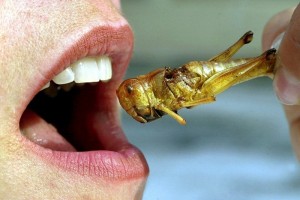
    Eating cricketSo, how can food define a culture?

    Our tastes partly represent our cultures. Many of the cultures that eat insects today started doing so out of necessity during periods when their economy was struggling. They continue to eat the foods today because they have acquired the taste for them. A food that was once eaten simply to survive is now considered a rich treat. The same is even true for dishes such as truffles. Peasants enjoyed eating truffles for many centuries, but because the fungi were so rare, they became a delicacy in the 19th century. Even today, truffles are hard to cultivate, and are incredibly expensive. Many chefs resort to using truffle oil, which is simply olive oil with artificial flavorings added to it, instead of sourcing genuine truffles.

    The food we eat can say a lot about where we grew up. If you trace the origins of those foods, you can learn about the history of your culture.

    Can food define a culture in the modern world?

    Well, people who grew up in big cities that are a melting-pot of different cultures tend to be open-minded about what they eat, while those who grew up in smaller villages frequently have simpler tastes. So, it seems that your tastes in food can say a lot about who you are and where you grew up.