Blog

  • How does fast food affect culture

    How does fast food affect culture

    How Fast Food Affect Culture in the Modern World

    People are always on the go today. This often means that fast food restaurants supply at least some of the meals for the average person. It is inexpensive and already prepared. How does fast food affect culture is something most people do not give much thought. However, they do and it is becoming a global issue.

    Before fast food restaurants, people had to prepare their own meals or go to an expensive restaurant. This meant that only people with excess amounts of money could afford to eat out. Once McDonald’s began serving fast food, even poorer people could have the experience of eating out. Soon, other entrepreneurs were attempting to duplicate their success. Today, most fast food chains offer a dollar menu or other list of inexpensive items.

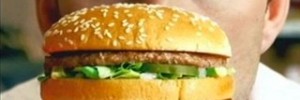
    BurgersHow fast food affect culture for patrons is that they no longer have to be involved with their food preparation. So, people lose the opportunity to spend time with their family in the kitchen and to hand down family recipes. It also means that people expect whatever they want quickly.

    The ingredients in fast food are another concern. How fast food affect culture here is that people do not know or think about what is in the food they eat. When people prepare their own meals, they consciously choose each ingredient and are more involved in ensuring that their family is eating a balanced diet. Fast food contains high levels of sugar, salt, fat, and preservatives. It is a great contributor to the obesity levels in America. As fast food chains expand to the global market, other countries are beginning to have similar problems.

    Unfortunately, poor health and a hurried lifestyle are by-products of the patrons of fast food restaurants. Until the chains make a choice to serve healthier selections, these problems are likely to grow.

  • American Food Glossary

    GLOSSARY OF FOOD FROM AMERICA

    Note: The following is only a partial listing of food terms.

    Abelskivers: rich puffy Scandinavian pancakes baked in a pan with deep round wells.

    Baked Beans: small white beans, slow-baked (often overnight), seasoned with salt pork, molasses, and mustard. (New England)

    Boston Brown Bread: a steamed bread made of whole wheat flour, sour milk, and molasses. A favorite accompaniment to Baked Beans and both are traditionally served on Saturday night. (New England)

    Cafe au Lait: in New Orleans that special taste and aroma comes from roasted chicory root.

    Chili Con Carne: as the Spanish translated – “chili with meat” – suggests, this Southwestern favorite is made with chili seasonings and cubed beef thickened with Masa Harina (corn flour). Beans are served with it.

    Clam Chowder: a creamy soup made with potatoes and fresh clams.

    Coleslaw: a cabbage salad, finely shredded and dressed with vinegar. (Dutch origin)

    Corn Oysters: a southern side dish of fritters made from corn dumpling batter blended with bits of bacon. Served with pot roast or chicken dishes.

    Cornpone: a corn bread browned and cooked in a skillet.

    Crullers: served with a drift of confectioners’ sugar, these Scandinavian yeast twists are fried crisp.

    Custard Corncake: a bland, baked custard of eggs, milk, and cornmeal.

    File: the dried leaves of the sassafras plant, introduced by the Choctaw Indians to Creole cookery. It is used for flavor (something like thyme in taste), and to thicken foods just before serving.

    Grits: Also called hominy grits, kernels of corn boiled in lye solution, hulled, washed and dried. The resulting hominy is then coarsely ground to form grits. Grits may be cooked like a porridge and served at any meal as a side dish, with everything from eggs to meat or fish. Slices of cold grits may be fried. Grits are the favorite Southern cereal food.

    Gumbo: there are many varieties of gumbo – thick stews combining meats and seafoods or shellfish, almost always containing okra and served with rice. Okra, called Gumbo by the Choctaw Indians, helps to thicken the juices. (New Orleans)

    Hash Browns: cubed potatoes and onions usually fried in patties to a crusty brown, most often served at breakfast with eggs. A favorite food at almost any meal, now almost across the United States.

    Hoecake: crispy-browned pancakes made of white cornmeal, salt, and water, and cooked in bacon fat or butter.

    Hooch: the Tilnglet people of Hooch-in-noo, Alaska are said to have originated a potent brew by adding molasses to ferment in the sourdough pot. It became known as “hooch”.

    Hoppin’ John: traditional New Year’s Day dish eaten in southern United States for good luck. Cowpeas or black-eyed peas are cooked and tossed with cooked rice. Usually served with ham hocks and collards, based on the cookery of the early West African slaves.

    Jambalaya: a hearty Creole stew of fish, seafood, or chicken (many versions), thickened with File and served with rice.

    Lagniappe: a menu conundrum for tourists until they discover it is an unexpected appetizer from the chef to you. (New Orleans)

    Mile High Pie: New Orleans’s dessert pie with a cookie crust layered with several flavors of ice cream crowned with meringue.

    Pepper Pot: satisfying New England soup of vegetables, potatoes, and tripe, thickened with cream and flour.

    Persimmon Pudding: a steamed pudding made with persimmon pulp and walnuts. Served With a custard sauce. (New England)

    Poi: a syrupy mixture made from taro root. Poi is eaten with the fingers, dipping into it as “one-finger poi,” “two-finger poi,” etc. Efforts are being made to reintroduce it as an inexpensive, traditional and authentic Hawaiian staple food.

    Pompion: early New England word for pumpkin.

    Ponhaus: Pennsylvania Dutch dish of cubed pork feet, meat scraps, cornmeal, and oats all molded in aspic and sliced cold.

    Pork Cake: New England spicy molasses cake made with minced fruit and finely diced salt pork.

    Pot-likker: southern treat of melted salt pork, poured over breads or cooked greens.

    Red (kidney) Beans and Rice: the ubiquitous classic of Louisiana, accompanying most meals and sometimes even breakfast. Can be a meal in itself. Usually served spicy-hot.

    Red Fish Hash: an economical Pennsylvania Dutch dinner of leftover codfish molded into patties, fried, and served topped with poached egg.

    Sally Lunn: a very light corn bread baked as a dropped batter on a baking sheet, then served hot and well buttered.

    Shaker Salt Cod Dinner: Pennsylvania Dutch favorite of poached cod served with mashed potatoes and sliced cooked beets, a white cream sauce poured over all.

    Tabasco: just the most famed of the many devilishly hot-pepper sauces in Louisiana.

    Tipsy Pie: actually a bourbon-drenched pudding of cake slices, fruits, and custard decorated with whipped cream. Also called trifle.

    Washington “Pie” or Cake: a light sponge cake filled with a soft creamy custard and glazed with melted chocolate. Also called Boston Cream Pie.

    Wild Cranberry Ketchup: Alaska’s specialty, said to put tomato ketchup in second place.
  • Domestic Life, Meals and Customs in America

    AMERICAN CUSTOMS, MEAL AND LOCAL DOMESTIC LIFE

    Some of the earliest cooking by European immigrants used brick ovens and iron pots suspended over open hearths. Ironware, hearth-cooking, and brick ovens have not entirely disappeared from the American scene, but Treen (the variety of wooden cooking and eating ware) and many pewter pieces are now collector’s items. Probably the most modern kitchens in the world, containing the most in cookery gadgets and small specialty appliances, are to be found in even average-income American homes today. Only imagination and the family budget limit the scope and variety of electrical appliances, plastic ware, cookware, dishes and serving utensils available, imported and domestically made.

    Average American homes boast stoves and refrigerators, ample storage cupboards, cellars and home freezers (or rented freezer lockers), and a host of small appliances from juicers and food processors to bread machines and yogurt makers. Supermarkets and specialty food stores supply local specialties and fresh produce as well as an incredible array of imported delicacies.
    Meals and Customs in America

    In early times, daily physical exertion was the rule, and the hearty meals provided warmth and energy. But as technology made life easier, and as the workday became shorter, heavy meals were not only no longer necessary, they were impractical and expensive.

    Today’s trend is breakfast-on-the-run, which usually means simply orange juice and coffee. Typical lunches include sandwich, milk or coffee, and fruit or ice cream. Dinner in the evening is usually the only meal when most families are together, and the traditional soup or appetizer, meat or fish plus vegetables and tea, coffee, or milk to complete the meal.

    Americans like most of the western world, love to snack Coffee breaks and coffee parties, the easy access of the corner variety store for candy, soft drinks, and chewing gum, or the fast-food outlet with ethnic specialties such as tacos or pizza as well as hamburgers, hot dogs, ice cream, and french fries, all seem necessary to keep the American fueled. More and more the pattern of three meals a day is blurring into a day-long fest of nibbling or “grazing” from breakfast to the late-evening show on television.

    Foods Commonly Used in America

    With rapid transportation within the country and superior storage both in homes and in industry, Americans in almost any region can enjoy not only local seasonal foods and produce but an endless array of imported, frozen, dried, and canned foods available year-round. Almost every small town in the United States has its supermarkets, specialty bake shops, and quick-serve fast-food outlets. All types of foods are readily available, so that what is chosen for the day’s foods will reflect personal preference, ethnic background, local custom, and state of health (special diet), rather than any market or seasonal limitation.

    While Americans may conform to the traditional three-meals-a day regimen, the prevalence of coffee breaks and snack foods make it seem closer to one continual daily meal.

  • Foods of Southern and Southwestern American Region

    AMERICAN FOODS OF SOUTHERN AND SOUTHWESTERN REGION

    American Southern Regions Foods

    “Take two and butter ’em while they’re hot!” refers to the southern predilection for a variety of delicious home-baked hot breads and beaten biscuits, which are eaten at almost every meal. As famed as southern hospitality are Virginia ham, southern fried chicken, hog’n hominy (pork and pork products served with corn grits), cornbread, hoecake and compone and a delectable array of desserts like tifle, Sally Lunn, Tipsy Pie, pecan pie and George Washington cake.

    Many specialty dishes of African-Americans, enjoyed as “soul food” originated from the humble foods served with imagination by the early West African slaves. Well-cooked greens of all types, wild and cultivated, such as kale, collard and mustard greens, and chicory are enhanced with bits of salt pork, bacon fat or pig’s innards, hocks or ears. Other dishes include those made with pork and chicken. Melons are the favored fruits, eaten sweet, juicy and fresh.

    Specialties in the southern states include Hush Puppies, cornbread batter fried to golden crunchy perfection and Southern Spoon Bread prepared with white cornmeal and separated eggs baked high and fluffy, not unlike a souffle. In fact, it is so delicate, it requires a spoon to eat.

    Beaten Biscuits with their silken texture are a Southern specialty properly served cold, split and filled like sandwiches. The ingredients are simple, just flour, lard, milk and salt. The trick is in the lengthy kneading or beating with a wooden rolling pin till the dough blisters. Then it is rolled out, cut in rounds and pricked with a fork before baking.

    Southern Fried Chicken is famous across the United States but likely no two recipes are identical, and even the exact technique is dependent on location and tradition. Seasoned and floured chicken pieces may be browned in a skillet or deep fried.

    Texas Barbecue Lima Beans are often served with barbecues. Cooked lima beans are layered in a casserole with a thick spicy tomato sauce laced with grated cheese. More cheese tops the casserole before it is baked till bubbly.

    Candied Sweet Potatoes: In the South, ‘potato’ means yams, white ones are called Irish potatoes. Cooked potatoes are tossed in a skillet of bubbling butter and brown sugar. When glazed and heated, they are served, usually with ham. The same meal might feature Vegetable Scrapple, finely chopped cooked vegetables are stirred into cooked white cornmeal, then smoothed into a loaf pan, chilled, sliced thickly and browned in butter.

    On a lighter note there is Shortn’n Bread, rich tender cookies made with flour, butter and light brown sugar. The traditional Christmas dessert Ambrosia is prepared with oranges, bananas or pineapple sprinkled with sugar and freshly grated coconut (if available) then chilled.

    In the hot southern climate cool drinks are always welcome. Raspberry Shrub, a classic Southern summertime drink, is prepared from homemade raspberry syrup sharpened with cider vinegar. The syrup may be diluted before serving over crushed ice. An Orange Julep features orange juice, lime juice and sugar, carbonated water and ice, garnished with fresh mint and usually served with bourbon.

    American Southwestern Region

    Strongly influenced by traditional Mexican and Spanish cookery, tamales, tacos, enchiladas, frijoles all vie with local tropical and semi-tropical fruits and vegetables to create an usual and distinctive cuisine.

    The influence of the Hopi, Pueblo and Papago Indians have also helped to make beans, squash, chili peppers, and corn staples of the southwestern diet. The famed Texas chili contains no beans but is a slow-simmered stew of diced beef flavored with a mix of seasoning now known simply as “chili powder” (actually a combination of oregano, hot and sweet peppers, cumin, sugar and paprika) thickened traditionally with the same corn flour (masa harina) used to make tortillas. Chili is popularly served with a side dish of Texas beans, a hearty casserole of kidney,or pinto beans simmered in water with onions and garlic.

    Blessed with a mild climate and fertile soil and encouraged by efficient irrigation systems, California enjoys a diverse cuisine and is usually in the forefront of food trends. An emphasis on fresh fruits and vegetables and simplicity in food preparation have always marked California cooking. Yet there is also a flare for the setting, for the presentation and for the combination of ingredients that somehow distinguishes California food traditions.

    Barbecues are the specialty of southern Californians. Grilled meats, fish and seafood are often accompanied with a choice of several salads as well as tacos, enchiladas, caramel flan and other Mexican and Spanish specialties.

    Sourdough breads, avocados and artichokes and the plentiful varieties of fish and seafood make eating a delight.

  • Food in Hawaii and Alaska

    HAWAIIAN AND ALASKAN FOOD

    The two youngest states of the United States bring an offering of contrasts to the huge American table of foods. Hawaii offers touches from the South Pacific and Southeast-Asian cuisine like the sharp salty fish sauces, exotic spices, an array of tropical fruits such as taro, coconut, passion fruit, guava, tangy-sour tamarind, as well as noodles, rice, pork, seafood and raw fish.

    Hawaiian specialties include Pupus, fried or grilled snack foods or appetizers, which includes Crab Rangoon (hot spicy crab meat sealed in crispy fried won ton wrappers) and Rumaki which features grilled skewered chicken livers and water chestnuts wrapped in bacon. Bagoong, a salty fish sauce, is often used as a condiment and seasoning.

    Perhaps the most famous festive occasion is the Luau during which a whole pig is cooked in a pit (Imu) heated with white-hot rocks. Lomi Lomi Salmon, tender and juicy salt fish prepared with a mixture of tomatoes and onions, often served with Poi. A meal might end with Haupia, a sweet pudding made from coconut milk or feature Mai Tai, a heady Hawaiian drink prepared with rum, orange-flavored liqueur and lime juice.

    Together with the bounty of nature – cloudberries, rose hips, blueberries, cranberries, salmonberries, huckleberries, rhubarb, fish and wild game (beaver, bear, venison, caribou, duck and ptarmigan) the early Alaskan pioneers brought two staples that still satisfy hearty appetites in the North. These are pork and beans and the famed sourdough from which breads, rolls, pancakes and biscuits are made. The sourdough starter – a ferment of flour, yeast, and water – when once begun, lives in a crock in the kitchen, continually added to and a constant source of new doughs with a tantalizing aroma and taste. Sourdough Cakes are made by adding a little baking soda to a sourdough sweetened with sugar and baked on a griddle.

    The native peoples taught the early trappers and miners how to prepare rolled sheets of dried berries. They also patiently shared their skills for salting, drying and smoking fish to last over the winter, and even how to keep sun-dried berries in airtight containers. The toasted seaweed that they crumbled over fish soap added a salty taste and valuable nutrients.

    Alaskan specialties include Matsuki, only one of countless varieties of edible wild mushrooms, Watapoo, a mealy red tuber with a taste similar to chestnuts and Camas, a starchy bulb-shaped considered a staple wilderness food.

  • American Food and Culture

    FOOD AND CULTURE IN UNITED STATES OF AMERICA

    When it comes to the American food and culture, it is for good reason that Israel Zangwill’s term “Melting Pot” for the name of a play in 1908 still serves as an apt description of the United States today. The United States is a nation of immigrants, each ethnic group retaining customs, festivals and food traditions with great pride and yet with a stamp that is unmistakably American.

    Huge areas of fertile land, abundant natural resources, and some of the world’s most advanced technology, marketing and transportation systems combine to give the United States one of the highest living standards in the world. Immigrants to America were dazzled by the space, opportunities, freedoms and diversity of things around them. Their glowing letters sent home spoke more of “you can get anything here!” than of the hard struggle to get ahead in a new land and often with a new language.

    Though a visitor to the U.S. may conclude that the country’s staple foods are hot dogs, hamburgers and french fries, washed down with soft drinks and topped off with ice cream, a more careful examination reveals regional as well as ethnic specialties.

    The first generation of European immigrants had little time for Old World traditions. Making a living, creating a home and raising a family were the realities of everyday life. Food was whatever was available and affordable to fill an empty stomach. But as they became established, the newcomers found solace in grouping together in neighborhoods where the familiar languages, customs, and compatriots gave them strength for whatever the future might hold. It was good to share a glass of homemade wine, a pint of beer, or a schnapps. It was comforting to smell the familiar scents of cooking and baking and, even better, to drown a day’s hard work in a homey soup or familiar stew. Adapting available foods to familiar recipes helped a little to make them feel at home.

    But long before all the others, Aboriginal peoples, whose ancestors had probably crossed the Bering Strait thousands of years before the European had even heard of America, made their way southward in the great continent, founding villages and developing languages and social systems and adapting to the land in unique and often ingenious ways.

    It was from the Indians that the earliest pioneers learned how to prepare such staples as corn, tomatoes, squash, peanuts, pumpkin, tobacco, turkeys, wild rice, pumpkins and squash, and even to tap wild maple trees for sweet maple syrup. In order to avoid cooking on the sabbath, the Puritans adopted the Indian clambake technique and used it to make slow-simmered beans cooked in the Indian way (today called New England baked beans) using a sealed bean pot buried overnight in a pit of embers. In its modified version – slow-baked overnight in the oven – it is enjoyed to this day.

    As the pioneers settled into the land, they adapted the ethnic foods they brought with them to the new and different produce that was so plentiful. Ethnic foods melded into regional specialties, and although few writers dare to define the exact borders of these regions, distinctive ways of preparing, cooking, combining, seasoning, and even serving foods do exist.

    Still another powerful influence came to America through the Atlantic slave trade from West African countries to the New World. The West African slaves adapted many New World foods to their own basic methods of frying, stewing, and preparing sauces for enhancing simple food. They introduced many flavorful, healthy varieties of greens to the European diet. They added grilled meats, wrapped foods in cabbage leaves (instead of banana leaves) for roasting in fires, and turned many of their own classic dishes like rice and black-eyed peas into Southern traditions like Hoppin’ John. The use of a baffling array of peppers, spices, roots, tubers, and greens, and the skillful metamorphosis of every part of the pig or chicken into delectable morsels of food are all now imbedded not only in America’s cuisine, but also in the cuisines of many Caribbean countries and Brazil.

  • Swiss Food Glossary and Food Terms

    FOOD GLOSSARY AND FOOD TERMS IN SWITZERLAND

    Aromat: trade name for monosodium glutamate.

    Berner Platte: a massive platter of green beans, boiled potatoes, and sauerkraut artfully topped with smoked and salted pork, boiled tongue, and several types of spicy sausages. Served with side dishes of mustard sauces.

    Bindenfleisch: meat that is cured then dried in clear mountain air, retaining a fine flavor and bright color. Served very thinly sliced together with wholegrain bread and red wine. A specialty of the Grisons area.

    Cholermus Pancakes: typical of a “sweet” country supper, huge pancakes reputedly first made by the herdsmen who then tore them with forks and browned them in butter. Served with fruits and sugar and steaming mugs of Cafe au Lait, this is considered a satisfying supper.

    Chriesitotsch: Zurich’s traditional baked cherry pudding.

    Chriesitutschli: fresh bunches of cherries dipped in batter, deep-fried, and served with cinnamon sugar.

    Fanz: a thick sauce of flour, butter, and milk eaten with bread and Milchkaffee to make a light supper. Typical of the many soup and gruel-like mixtures that were early staple foods for the Swiss. One of the oldest traditional herdsmen’s dishes.

    Fondor: trade name for monosodium glutamate.

    Gonterser Bock: a light supper meal of hard-cooked eggs or cored apples that are batter-dipped and fried then sliced and eaten with fruit compote.

    Kabisuppe: a soup made of shredded browned cabbage, beef broth, and rice all well cooked together.

    Kartoffelkuchen: a baked potato pudding from Grisons made from boiled rice potatoes that are packed into a baking dish. A mixture of eggs, cream, and grated cheese is poured over and the whole casserole is baked in the oven.

    Kartoffelplatzli: another Grisons dish made from a soft dough of potatoes, flour, cheese, and eggs. The dough is shaped into a long roll then sliced and browned in butter.

    Kasuppe: cheese soup, a favorite in every area of Switzerland. Countless variations.

    Lattich and Speck: minced onions and tomatoes sautéed with small heads of Romaine lettuce and crisply fried bacon. This dish makes a complete meal when served with Rosti and fresh fruit.

    Maggi: a trade name representing many manufactured food products but especially noted for a liquid seasoning of flavor extracts made from blended grains. Looks and tastes like soy sauce.

    Maluns: another famed potato dish from the Grisons area. Cold, finely grated potatoes are stirred in quantities of sizzling butter until they form tiny crisp balls. A dish of Maluns, a dried fruit compote, and endless cups of Cafe au Lait of fresh milk make a meal.

    Metzgette: pig-slaughtering day in rural areas. Accompanied by much food and drink with only the pig’s squeal being allowed to escape the endless smoking, curing, salting, sausage-making, and fresh meat-cutting.

    Milchkaffee: a satisfying blend of hot milk and hot coffee.

    Muesli or Musli: the Swiss breakfast cereal, made of toasted uncooked oats, grated apples, and nuts. The mixture is usually refrigerated overnight with cold milk and eaten in the morning with a topping of fruit, wheat germ, brown sugar, or any desired combination.

    Omeletten: pancakes of any type. German-speaking areas in Switzerland often make a supper of a fruit tart, a rice and milk pudding, or pancakes and fruit all served with the usual Milchkaffee. It is these light sweet suppers that often cause dissension between the Swiss homemakers and the workers from other countries: they are not satisfied with such a light evening meal!

    Paiuolo: Ticino follows many of the food patterns of northern Italy, and the making of polenta (corn-meal) is one of them. The Paiuolo is the big tinned copper kettle used to cook the polenta over an open hearth. It is stirred with a special wood paddle.

    Pfnutli or Fnutli: Basel apple fritters.

    Potato Gnocchi: mashed cooked potatoes blended with flour to form a dough which is then shaped into little fingers. After drying for about thirty minutes, the little shapes are poached in salted water and served with a buttery tomato sauce. As popular in Ticino as they are in Italy.

    Raclette: derived from the French verb racier, which means “to scrape off,” refers to a supper plate of melted cheese (Gomser, Belalp, Raclette, or Bagnes) served with a boiled potato, pickled gherkins, and onions. As many plates are eaten as desired.

    Rettich Salat: a salad of coarsely grated white radishes blended with a dressing of oil, vinegar, and mayonnaise and flavored with Dijon mustard, salt and pepper.

    Rosti: the national potato pancake. This dish appears so frequently in homes and restaurants that it is unlikely that many days go by without the Swiss enjoying their Rosti together with Lattich und Speck, Leberspiessli (skewered liver and bacon) or any number of other dishes. Rosti is made from long shreds of boiled potatoes packed into a pan sizzling with butter. After browning one side, the huge pancake is flipped (a plate placed on top and then inverting the whole is the easiest method) to crisp the second side. Served whole to the table, wedges are cut to serve.

    Saure Pflumli: traditional sweet and sour purple plum relish served with meats, game, and cold cuts.

    Schwartztee: Indian tea.

    Schweinspfeffer: jugged pork.

    Stierenaugen: though eggs are seldom served alone, if they are then it is in the form of “bull’s eyes” – the name of this dish is for simple fried eggs.

    Wiworm: a New Year’s drink of diluted spiced wine served hot.

    Zuchertopf: a Zurich dish of meat and rice.

    Zuger Kirschtorte: cherry tart, another Zurich specialty.

  • Meals and Customs in Switzerland

    SWISS MEALS AND LOCAL CUSTOMS

    Hotel administration schools and internationally famous chefs’ schools may teach sophisticated cuisine while Swiss restaurants may cater to every taste sensation, but in the Swiss home, light and simple meals are the rule.

    Muesli and milchkaffee are a popular Swiss way to begin the day, but cafe complet or chocolate complet are still traditional. With either cafe au lait or hot chocolate as the mainstay, this simple breakfast revolves around an assortment of breads and rolls served with fresh butter and a variety of preserves.

    The main meal of the day takes place at noon. Beginning with a hearty soup, dinner may go on to a main Swiss dish based on potatoes, cheese, fish or meat accompanied by a small salad and ending with fruit and cheese. The adults will usually have wine, cider or water and the children will sip only water with the dinner.

    A late afternoon snack at about four o’clock called zvieri will consist of sausages or ham with pickles and bread together with a quenching drink of hard cider or perhaps beer. Children will snack on bread and butter, women sometimes on milchkaffee or one of many teas with simple cakes or buns.

    The evening meal may be one of the lightest and simplest of the day, consisting of bread, cheese, and cafe au lait, or a simple casserole of potatoes and a side salad and bread.

    If these typical meal patterns sound too simplistic, then the visitor is underestimating the quality of fresh foods and the consummate skill of preparation so typical of Swiss cuisine. Probably no meal can be simpler than the raclette. Here a wedge of fine mountain cheese is melted before a special heater or an open fire. Just at the right moment, the melted cheese is scraped onto a waiting hot platter and served at once accompanied with a crunchy sweet pickled gherkin and a few tartly sharp pickled onions. The final touch in both flavor and texture is a boiled mealy potato. Few dishes are simpler both in preparation and service and yet the contrasting tastes and textures are worthy of the most complex gastronomic masterpiece.

    More widely known is the Swiss cheese fondue which is a Swiss dish consisting of melted cheese in wine or cider. There are many versions and variations but basically a shredded mixture of Swiss Emmenthaler and Gruyere cheeses are melted in simmering wine or cider then lightly touched with a sniff of garlic (often just rubbed in the caquelon) and a splash of kirsch. Diners spear chunks of crusty bread and dip into the melted cheese mixture, giving a stir and a swirl at the same time. At the end of the meal, a tasty crust will have formed at the bottom of the pot and this should be lifted and served to all. A small glass of kirsch is served in the middle of the eating, while hot tea is usually served to complete the fondue dinner. Sometimes servings of sausages and pickles with bread may be added to the meal.

  • Special Occasions in Switzerland

    SWISS SPECIAL OCCASIONS

    More than 18 religious groups claim members in the 6.7 million Swiss population. By a slight majority, Protestants predominate.

    The many festivities that dot the Swiss calendar focus on the change of seasons, the movement of the cattle, planting and harvesting, and of course religious celebrations. All have in common an abundance of good food and a colorful flurry of regional costumes. Both Catholics and Protestants celebrate Christmas with a variety of special cakes and cookies but no special menu; the best that is available is served with pride. In the German-speaking areas, Christmas Eve is celebrated with gilts and a candlelit tree. Customs and ceremonies in each home may be traced to either French, German, or Italian influences, together with individual family preferences.

    As in the Netherlands, the Swiss have no Santa Claus, but they do set aside December 6 as the special evening when St. Nicholas brings fruits and candies and small gifts to all deserving children, and for the naughty ones only a switch! This holiday has no religious connotation and is celebrated by almost everyone.

    As in many other countries, Easter is celebrated with the fresh exuberance of approaching spring: chocolate bunnies, colored eggs, special cakes and cookies – as well as the sober rejoicing accompanying church services. The many popular meatless dishes make Lent less of a hardship, and one of the traditionally favorite dishes is basler mehlsuppe. This is a typical “brown roux soup” prepared by browning flour in butter then adding water to form a stock. Often little more than a bit of seasoning is added, and in the case of the basler mehlsuppe the flavor is of bay leaf and cloves.

    Celebrating the coming and passing of the seasons is a Swiss excuse for more festivities. Effigies of “Winter” are joyously burned to hasten the departure of the cold and to welcome the gentle warmth of spring. The end of summer and the beginning of autumn is heralded with animals decorated with garlands of flowers and people dressed in local or national costumes. They gather in the towns to welcome the descent of shepherds and their flocks from the high mountain pastures of summertime, happy that they will be home for winter. Later in the fall season, the wearing of golden sun masks on St. Martins Day (November 11) marks the beginning of wintry days.

  • Swiss Domestic Life and Foods Commonly Used

    DOMESTIC LIFE AND FOODS COMMONLY USED IN SWITZERLAND

    The Swiss reputation for hard work, orderliness, and simplicity is evidenced in the home. Swiss home-makers are “scrubbers”: every corner is scrupulously clean and ordered. Swiss kitchens vie with any in the western world for efficiency, appliances and convenience, but gadgets are used only if they are truly timesaving. Shoddy materials and poor quality are as little tolerated in the kitchen as they are in industry.

    Although the true origin of Swiss fondues is lost in antiquity the fondue remains a favored meal and a form of entertainment. Most Swiss homes have the necessary accoutrements: the caquelon, a shallow but sturdy earthenware casserole for heating the cheese fondue, a supply of long-handled forks for dipping, and a practical stand and heat source usually for alcohol heating. For fondue friture (clunking foods in hot oil), the Swiss home will be equipped with a deep heavy metal pot, wider at the base than at the top to prevent tipping and possible spattering while frying. For the newly introduced chocolate fondue (introduced in New York by Beverley Allen for the Swiss Chalet Restaurants), a small candle-heated earthenware pot is used.

    Finally for the delightful Swiss supper of raclette, an efficient gadget that not only keeps plates warm but also holds a big wedge of cheese firmly in place for melting is also a part of the culinary equipment. Mountain cheeses such as Gomser, Raclette, Belalp, or Bagnes are best for melting.

    The Swiss standard of living is very high and this is reflected in the many specialty shops for bakery and pastries, meats and fancy delicatessen. Preparation of foods, packaging and displays reach such a high standard that they can seldom be duplicated elsewhere. Huge varieties of imported goods of every type await the shopper and convenience foods abound. Even raw meats in butcher shops are displayed with artistry, garnished with sprigs of greens and trimmed and shaped so that the homemaker need only cook them. In addition, a growing variety of prepared foods awaits the harried homemaker. The long tradition of daily shopping to ensure the freshest produce and baked goods is slowly declining as more and more women join the workforce. Even the sale of deep freezers is increasing.